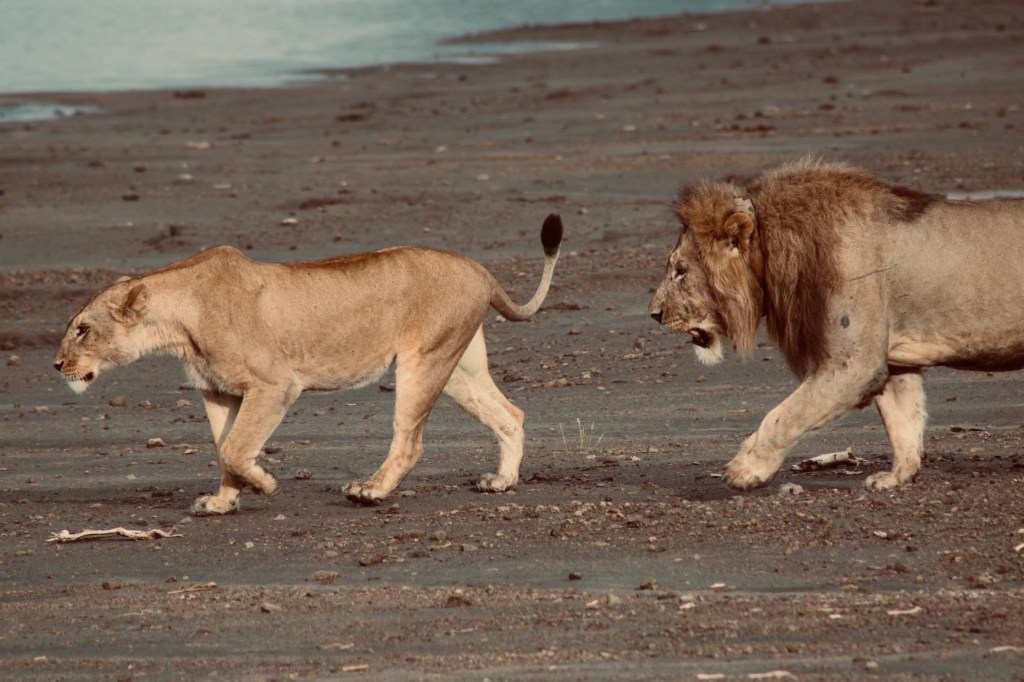
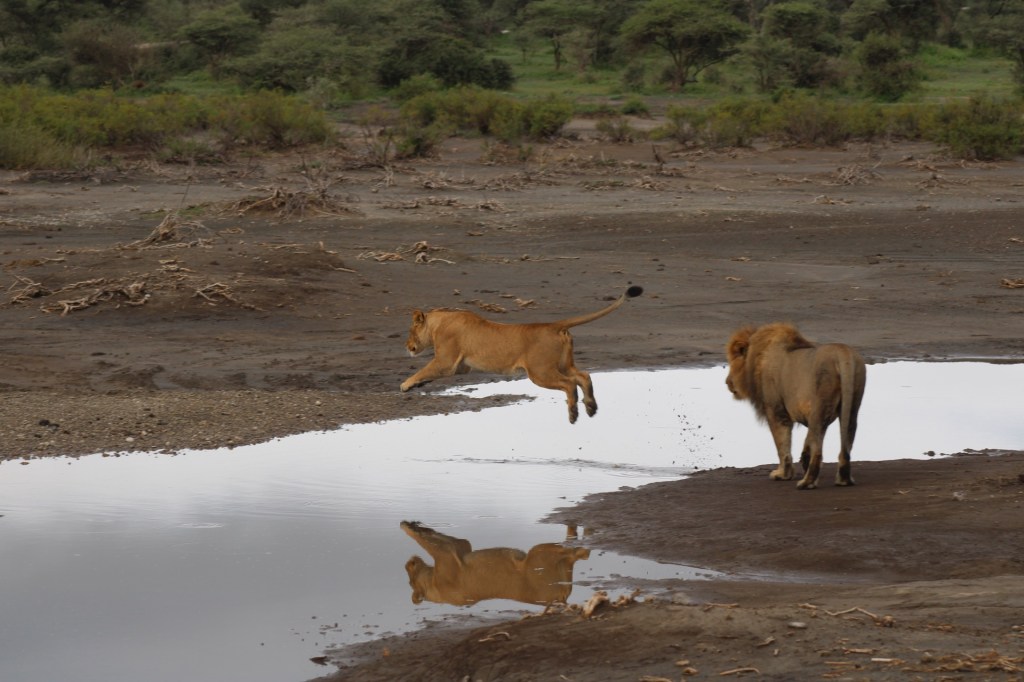
Is there a once-in-a-lifetime trip on your list? A trip you would be willing to take weeks off work and save up for years to make? If a safari is on your bucket list, then your honeymoon is the perfect time to cross it off.
This is the first blog in a series of three about our honeymoon safari, because there is so much to say! First, I’ll cover the planning phase; the next two blogs will focus on our experiences in Kenya and Tanzania, respectively.
Overview
- When did we go? March-April 2023
- Duration: 13 days and 12 nights, with overnight flights each way. Kenya: 1 night in Nairobi, 3 Masai Mara. Tanzania: 3 Lake Ndutu, 2 Karatu, 3 Zanzibar.
- Which countries did we visit? Kenya and Tanzania
- Final cost: $17,800 for two people (detailed breakdown below.)
- Weather: Warm in the day, cool in the morning and evening, occasional wind and rain. Good conditions for safari; bad for air balloon; a tad cool for the beach.
- Luggage: One 40L soft duffel bag and one small backpack each (see detailed packing list below.)
Initial Planning
We actually planned to go on safari over a year earlier, in the winter of 2021-2022, before we got engaged. We had already requested a proposal from our chosen outfitter for travel dates in February 2022. But then my husband (boyfriend, at the time) received an unexpected job offer, and we had to delay our plans. A few months later, we got engaged, and naturally, we decided to save the safari for our honeymoon.
After we finalized our wedding date, we reached back out to our outfitter with new dates. According to our research, March was a good time to visit our chosen countries and just off-peak, to save money (slightly off-peak is our sweet spot.)
Deciding which countries to visit was not difficult for us, but if you’re not sure, I recommend the Fodor’s Travel Complete Guide to African Safaris. The book has a great overview of which animals and attractions are located in each country, along with diagrams and checklists for vaccinations, documents, packing, planning timelines, and peak seasons to visit each country and reserve.
After a bit of research, we decided to prioritize the Masai Mara in Kenya, the Great Migration of wildebeest that moves across the Serengeti, and to end our trip in luxury on the island of Zanzibar in the Indian Ocean.
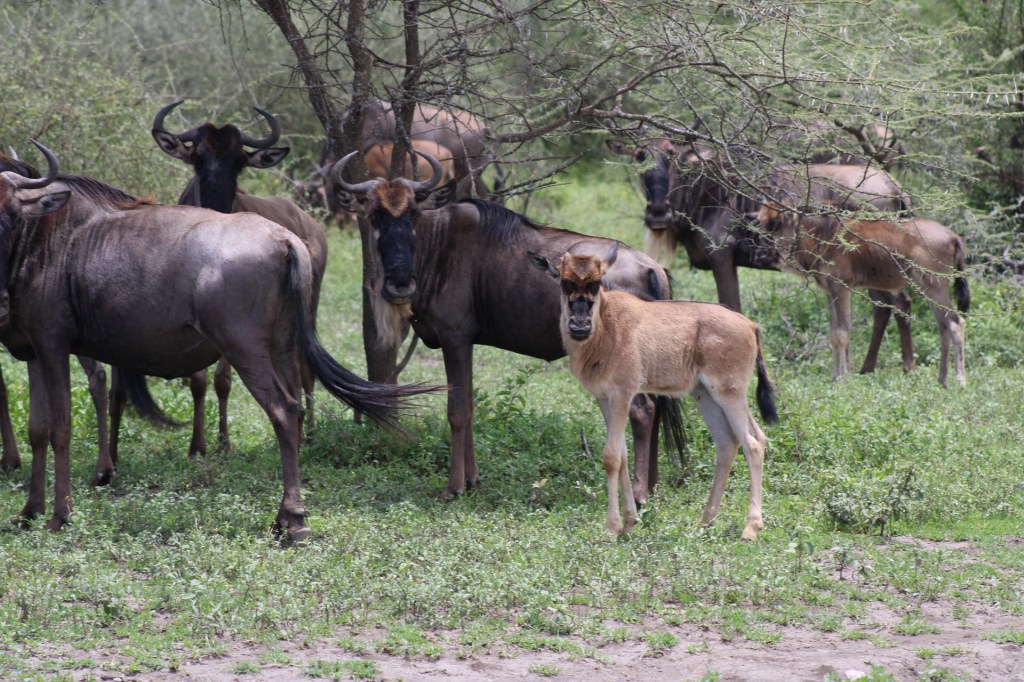
Next, we chose an outfitter. It is possible to go on safari without one, but we quickly realized the level of logistical planning involved and that it would be worth the money to let someone else do that. Fodor’s guide has an entire section with detailed descriptions of reputable tour operators. It was important to us to be responsible travelers in our interactions with wildlife and local people. I picked Gamewatchers because Fodor’s described them as “a personal authentic experience, as far from mass-market tourism as it’s possible to get.” I liked that Gamewatchers is a champion of the conservancy concept; they protect wildlife habitat and work in cooperation with local communities, especially Maasai families.
From their website, I filled out an enquiry form with a brief description of our preferences, priorities, dates and budget. A consultant got back to me quickly with more information about their company and a draft itinerary of our dream trip. We could have shopped around, but they hit the bullseye on their first proposal. I can’t imagine a better outfitter than Gamewatchers. If you get the chance to go with them, do!
They handled every detail, except our flights from the US to Nairobi and back from Zanzibar to Nairobi for our return trip. From the first night in Nairobi to the last shuttle to the airport in Zanzibar, personal guides met us and provided detailed instructions for each step on our journey.
Once we confirmed the booking and paid our deposit (25% of the total cost), our consultant sent detailed instructions about visa entry, vaccines, packing, a guide to the animals, and our full itinerary.
Pre-Trip Arrangements
Tasks and Timeline
Gamewatchers gave us a detailed list of pre-trip instructions and tips, but I still found it helpful to make a shared note on my Iphone with a task list. For example:
- Three months prior:
- Book travel clinic appointment, get malaria pills
- Make list of items to purchase
- Two months prior:
- Apply for Kenya and Tanzania e-visas.
- Buy provisions.
- Make packing list
- One week before:
- Start packing
- Create a reminder to start taking malaria pills 1-2 days before (follow instructions from doctor).
My husband and I referred to this note the last three months to keep on schedule.
Flight
We searched airlines for the best price and shortest route. We initially went with Delta/Kenya Airways, only to have our flight changed a few weeks later to an unrealistic short connection that wouldn’t have allowed time to clear customs. We canceled and rebooked with Ethiopian Airlines, and notified Gamewatchers immediately of our new arrival time (same dates). The flight was 17 hours from Dulles to Nairobi with an hour stop in Addis Ababa. For the return trip, we booked a one-way flight with Kenya Airways from Zanzibar to Nairobi, where we had an 8-hour layover before our return trip to DC (we erred on the side of caution in case of delays).
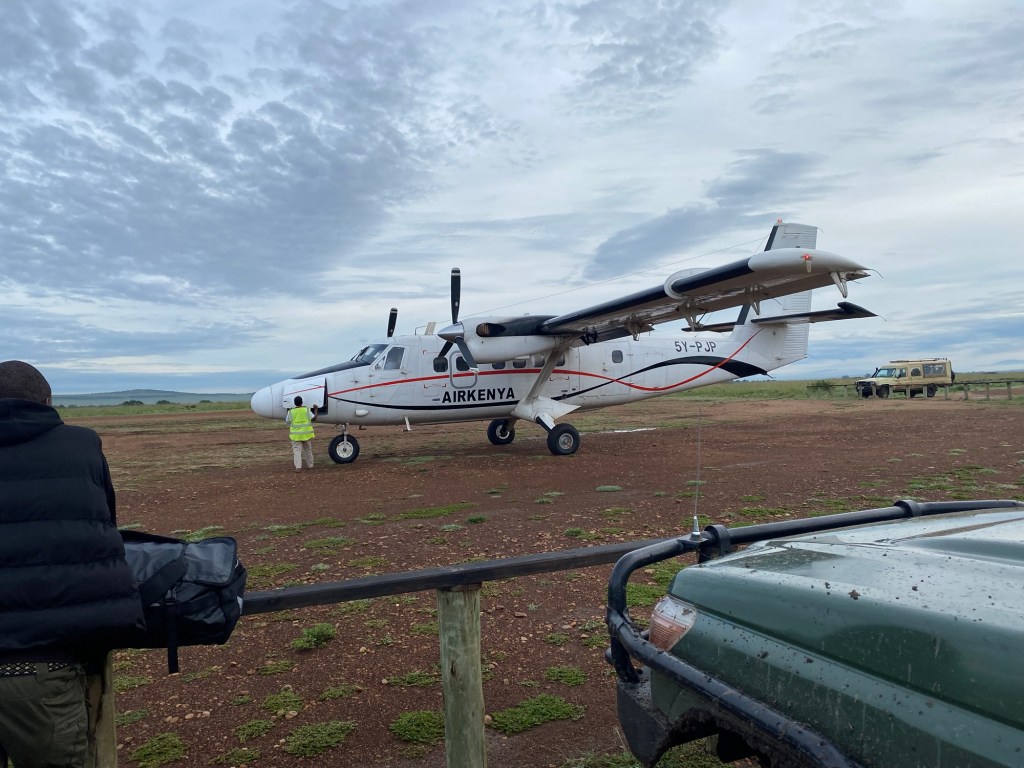
I can’t honestly recommend either of these airlines (crowded, cramped, no-frills, and they do not pamper), but they were in our price range and got us there safely and on time. Other than that, all flights within country were arranged by Gamewatchers. To get to remote locations like the Masai Mara, we took small planes like the one in the picture below.
Packing
Because of these small planes, packing light is a requirement for safari. In fact, they won’t even allow a large bag. Gamewatchers recommended small, soft bags about the size of a typical carry-on, and a total weight limit of 15kg. To make sure we were in compliance, I bought a hand-held digital luggage scale. I used my Patagonia black hole bag, and he purchased a similar 40L bag from REI. We both upgraded our backpacks for the trip; I bought the North Face Borealis backpack in olive green.
Knowing there would be laundry service at each place we stayed, we only brought 2 outfits each for game drives and 1 each for dinner. The Fodor’s Guide includes a packing list that we referred to, refining it with recommendations from Gamewatchers. Here’s a streamlined version:
- Daytime outfits: 2 pants, 2 t-shirts, 2 long-sleeve shirts, 1 fleece, 1 raincoat, 1 hat, smartwool socks, boots or trail shoes. Everything should be light shades of khaki or olive green. Avoid dark colors that attract insects.
- Evening outfits (I’m not talking gowns, here): Tan gauze resort-wear pants, matching tan long-sleeve tunic, and closed-toe flats (me); khaki slacks and a light-colored button-up shirt (him). Pajamas and flip-flops/slides for the tent.
- Plane outfit: Comfortable jeans, long-sleeve shirts, fleece, sneakers.
- Underwear and laundry detergent: 7 pair each of socks and underwear. In Kenya, underwear was excluded from laundry service, so we washed our own in the basin, using Sea 2 Summit travel wash we bought at REI.
- Packable daypack and duffel: For the game drives, we didn’t want to bring our fully-loaded backpacks, so we brought small collapsible backpacks that we could load up with a few essentials each day (like this one from Osprey.) We also bought a packable duffel from REI for the return trip, in case we needed more luggage space for souvenirs.
- Insect Repellent and Sunscreen: Lots. With Deet. The travel clinic recommended Ultrathon DEET lotion; one bottle each worked for us. It’s better than aerosol for the plane.
- Passport holder, travel wallet, and documents: We bought new RFID-blocking passport holders for our travel documents, including passports, vaccine records, and printouts of our e-visa, plane reservations, travel insurance confirmation, and phone numbers for Gamewatchers in each country. We also bought travel wallets for cash we brought out on game drives, etc. The tents had a safe to store these essentials during the day when we were out; I always carried $20-50 in cash and small bills in a travel wallet for tips and snacks from the canteen.
- Camera: Possibly the most important thing on the list. We invested in a Canon as a Christmas present to each other, along with a khaki-camera bag to hold all the lenses and 2 extra batteries and a charger. You can use your Iphone, and you will, but safari without a real camera is a major missed opportunity.
- Binoculars: We brought 2 pairs, but most of the time only used one, because the person with the camera can see just as well with the long zoom lens as with binoculars. But ultimately, I still recommend bringing two sets.
- Water bottle: We each brought one, but our first camp gave us a complimentary bottle each, and our guide in Tanzania had bottled water for us each day.
- Beach gear: For Zanzibar, we wore the same clothes as safari to visit the town and our evening outfits for meals. We also brought swimsuits, and a t-shirt/cover-up and slides/flip flops. The resort provided everything else we needed.
- Other: Books, headphones, chargers, and audiobooks downloaded onto our phones for downtime. Small flashlights, the usual travel toiletries, aspirin or ibuprofen, other travel meds for stomach issues (we didn’t need them), aloe, Clif bars (just in case.)
Travel Clinic
Health insurance did not cover the entire cost of our appointment at the travel clinic, but I was able to pay for my vaccination with my Flexible Spending Accounts (FSA). The clinic had an option for two people to book together and be charged a lower price for the visit. We were vaccinated for yellow fever and given prescriptions for malaria pills, which you must begin taking 1-2 days before the trip. Our doctor also recommended updating our hepatitis shots, and we had to show we were fully vaccinated for COVID.
Budget Breakdown
This is approximate:
- Gamewatchers travel package: $13,400
- Including in-country flights, lodging, most meals, guides, a private safari vehicle, and transport to and from airstrips.
- Not covered: tips, flight to/from the US, flight from Zanzibar to Nairobi, some meals, snacks, cocktails, optional excursions, and souvenirs.
- Airfare: $1800
- Travel Insurance: $1000
- Vaccinations: $500
- Tips: $260 ($20/day for 2 guests)
- Extras: $340
- Dining out in Nairobi and Arusha
- Tour of spice-farm and Stone Town in Zanzibar, and Maasai village in Kenya
- Unincluded cocktails, tea, and snacks (some drinks are included with meals.)
- Souvenirs/Gifts: $500
- Not included: Clothing and gear we purchased just for the trip, which we have used since for other purposes.
Keep in mind that our trip was only three years after COVID, when prices were lower. With inflation, the cost has probably increased.
Options to Reduce
If you have sticker shock from looking at our total budget, there are options to make the trip more affordable. It is easier to travel with a group, or as a couple, to keep the overall cost down. Some people go as volunteers and tack a short safari on after volunteer or mission work; we met a group of retirees in Tanzania who were doing that.
The easiest way to cut the budget in half is to go for a shorter duration; stick with one country, and skip the luxury stay at the beach. We saw most of the Big Five in the Masai Mara the first day we landed – zebras in Nairobi, elephants and giraffes from the air before we landed in the bush! A 2-3 day safari from Nairobi or Arusha would still be unforgettable, and less than half the cost.
But if you are able to save up for the works, even if it takes a few years, the experience was priceless.
The First Time
There are so many ‘firsts’ in a relationship. Even my parents have them, after 40+ years together – designing and building a home, for example. Some firsts we hope are also ‘lasts’ – like our wedding.
Our flight to Nairobi departed in the evening, two days after the wedding. We didn’t schedule any day-after events, so we had enough time to pack and relax.
I ordered a Lyft to Dulles; our driver showed up a few minutes early. I went outside to tell the driver that my husband was still on his way. It was the first time I used the word. He called me his wife not long after.
I hope that our honeymoon safari was one first that is not a last. Some day, we want to return to Africa, and see the things we missed: a leopard (the only one of the Big Five we didn’t see), Victoria Falls, gorillas, and sand dunes. The trip was indescribable, which is unfortunate for me as I attempt to put how special it all was into words. Whether it’s your honeymoon, anniversary, a family trip, or a solo-safari (we met a traveler who mentioned she had been on several), I hope that you are able to go on safari in Africa. I know you will love it as much as we did.
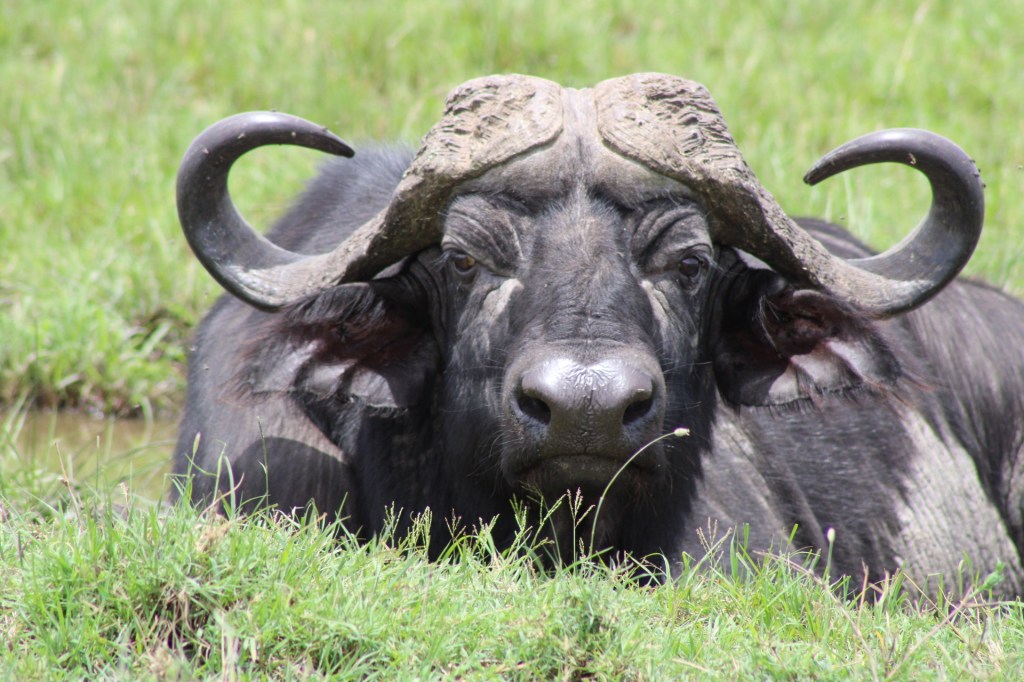
Upcoming: In my next blog, I’ll focus on our adventures in Kenya, followed by the third and final blog about Tanzania. I’m not sure when exactly, but you can subscribe to be notified when I publish. My goal is to post both in March.

 dink Travelers
Leave a reply to 5-Day Adventure in Manchester, Edinburgh, and London – dink Travelers Cancel reply