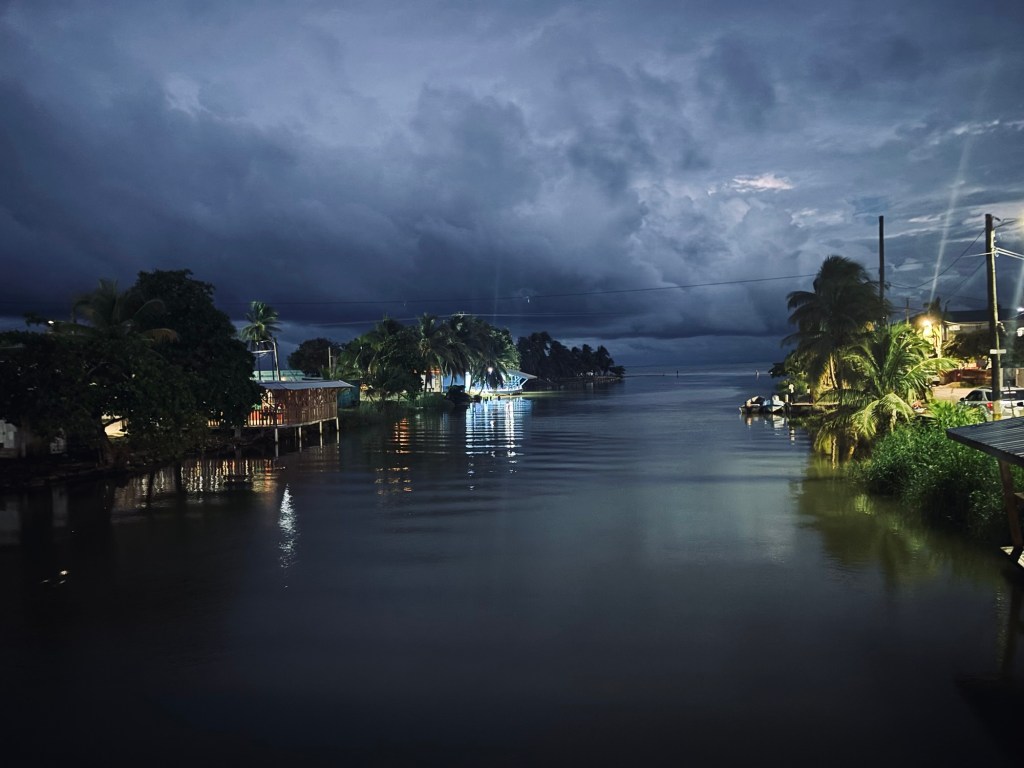
My former coworker and friend is from Belize. He talks about his home country with such warmth and enthusiasm that you can’t help wanting to experience it for yourself. Earlier this month, we had the opportunity to go, and it was one of our most adventurous and enjoyable vacations yet.
His family is in the tourism industry, so if you follow our five-night itinerary, you’re getting the advice of a local expert — if only secondhand.
My friend told me most visitors split their time between the jungle and the reef. We spent two nights near San Ignacio (subtropical rainforest) and three in Dangriga, a small coastal town. He also recommended Caye Caulker, Hopkins and Placencia for diving. We aren’t certified to dive (yet), so we chose Dangriga for its local culture, but those other destinations might be preferable if beaches or diving are your priority.
Our total trip cost was just over $4,000 for both of us, including lodging, airfare, tours and meals, after redeeming credit card points. We enjoyed shoulder-season rates in early November, but I’d suggest considering mid-to-late November for the cultural festivities, which I’ll say more about later.
Our Belize itinerary at a glance
| Day | Activities | Overnight |
|---|---|---|
| 1 | Arrival, Belize Zoo | San Ignacio |
| 2 | Cave tubing and ziplining | San Ignacio |
| 3 | Hummingbird Highway, exploring Dangriga | Dangriga |
| 4 | Snorkeling at Tobacco Caye | Dangriga |
| 5 | Chocolate-making, butterfly farm, Cockscomb Basin and Hopkins | Dangriga |
| 6 | Flight from Dangriga to the international airport and home | — |
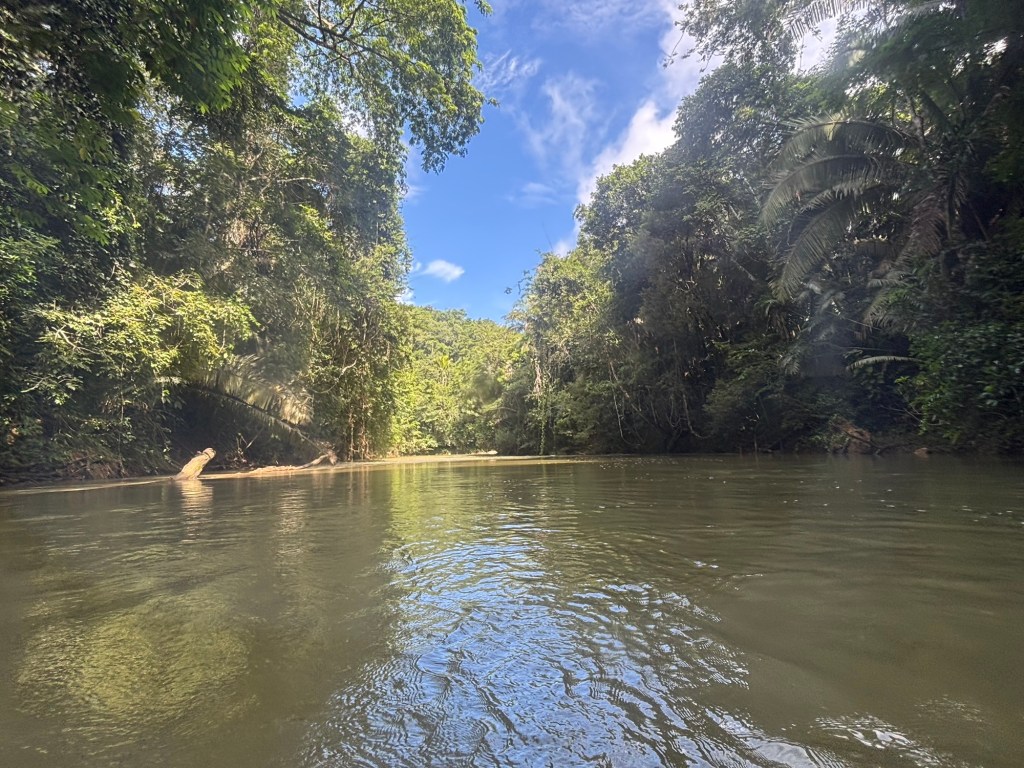
The Jungle: San Ignacio and Cave Tubing
Belize’s international airport is listed as Belize City by airlines, but it’s actually in nearby Ladyville. It’s small and easy to navigate, and customs was fairly quick. We completed an online immigration and customs form before arrival; you’ll need to complete one for departure, too.
Rather than renting a car, we arranged an airport pickup for $204 for the two of us. We stayed at Crystal Paradise, a family-owned resort about two hours from the airport, and booked our tours and transportation through them.
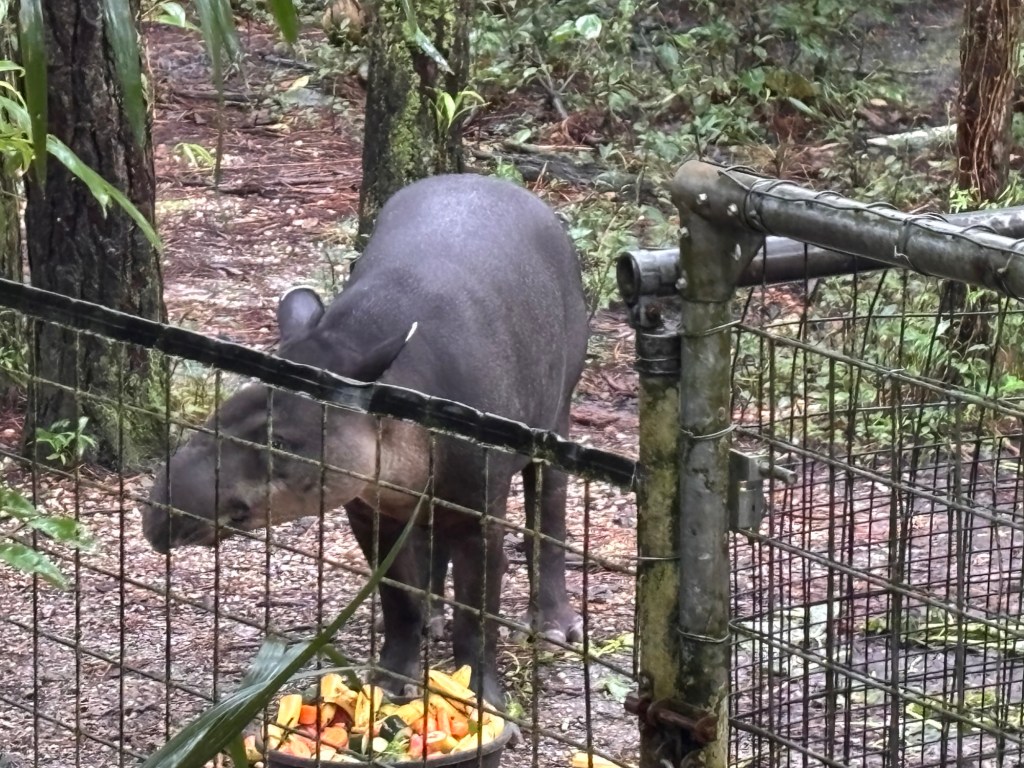
My friend highly recommended the Belize Zoo, about 50 minutes from the airport and on our way, so we arranged a stop for a small additional charge. It’s a wonderful little zoo, with native animals in rainforest habitat, many of them rescues. I’ve been to a lot of zoos, but still saw animals I’d never seen before — harpy eagles, jaguarundis, tapirs and a tiny, adorable fox that came to the fence to visit with us.
Allow an hour or two, especially if you like reading the educational signs (the zookeepers have a sense of humor). Admission was $20 for nonresidents. The restroom is in the parking lot before the entrance; Belize gets an A+ for public bathroom cleanliness.
It rained throughout our visit. Bug lotion or spray and raincoats are packing essentials!
We enjoyed the drive to San Ignacio, with our guide pointing out towns and landmarks, including the capital, Belmopan. Belize’s first capital was on St. George’s Caye, then moved to Belize City and eventually inland to Belmopan after hurricane damage. The main roads were in good condition, with pretty town signs and decorated roundabouts.
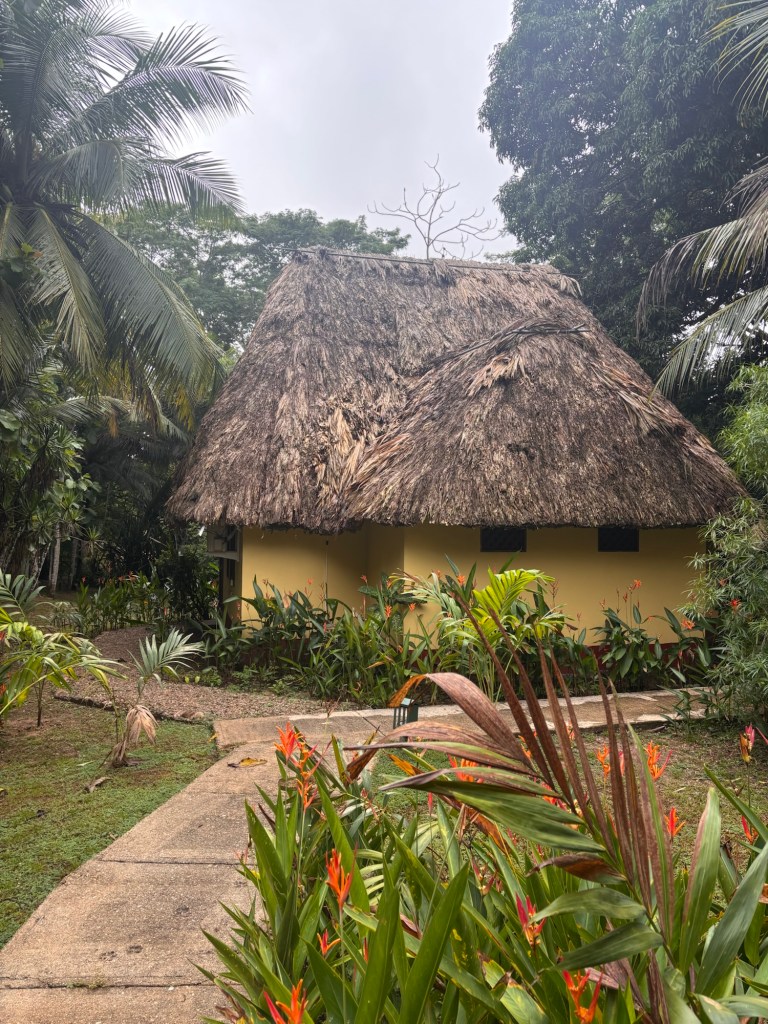
We arrived at Crystal Paradise after dark and had dinner with the other guests in the outdoor dining room. We loved the local dishes, particularly the curried chicken and fry jacks, a puffy fried bread served sweet or savory. The dining room is surrounded by trees and bird feeders; we spotted a rufous-tailed hummingbird at breakfast.
Cave tubing
Our first morning, we went cave tubing. We weren’t sure we’d be able to go because of high water after the rains. I’ve done some crazy things in the water, but I respect the rapids enough to know when to stay dry. Fortunately, the water level was within the park’s safety guidelines; otherwise, we’d have visited some Maya ruins.
Eric, our driver from the day before, was also our guide. He drove us an hour and a half to Nohoch Che’en Caves Branch Archaeological Reserve. After changing into swimwear, we coated ourselves with bug lotion and sunscreen. I bought waterproof phone pouches at the entrance for about $20 each; you can take pictures without removing your phone.
Outfitted with life jackets and helmets with headlamps, we hiked about 45 minutes to the put-in. The hike was part of the adventure! We crossed the river holding onto a rope, climbed stairs and passed through a cave. Eric pointed out mahogany, cinnamon and cohune palms along the way. Another packing tip: sturdy water shoes with good soles, like Chacos or Skechers Slip-ins.
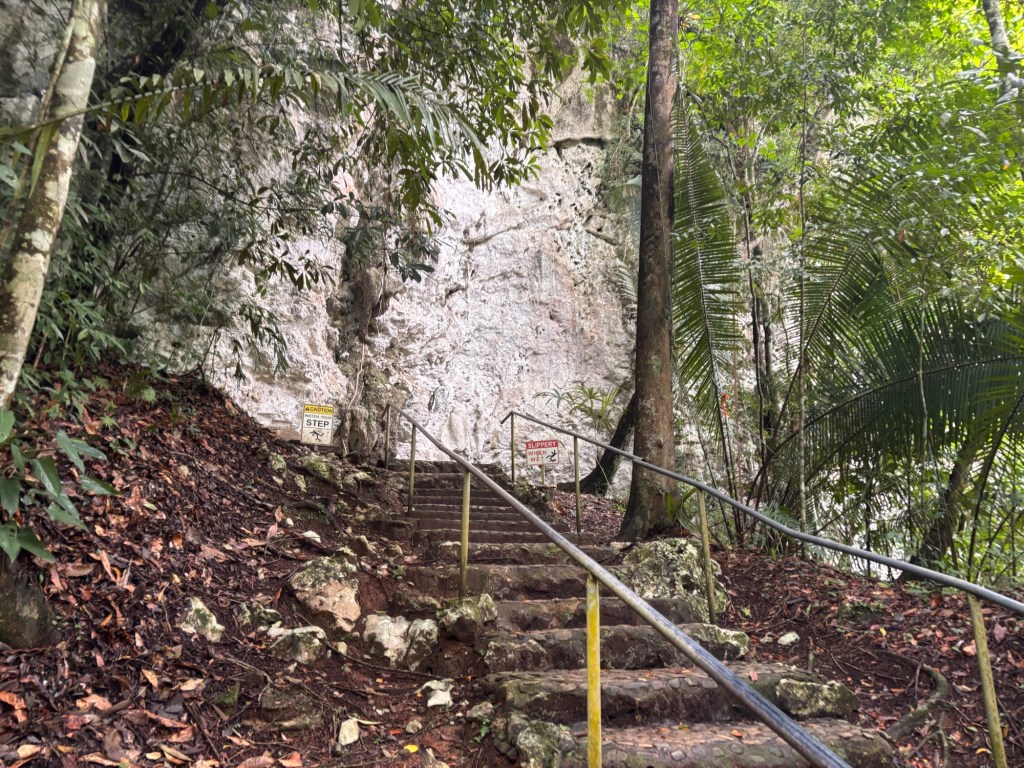
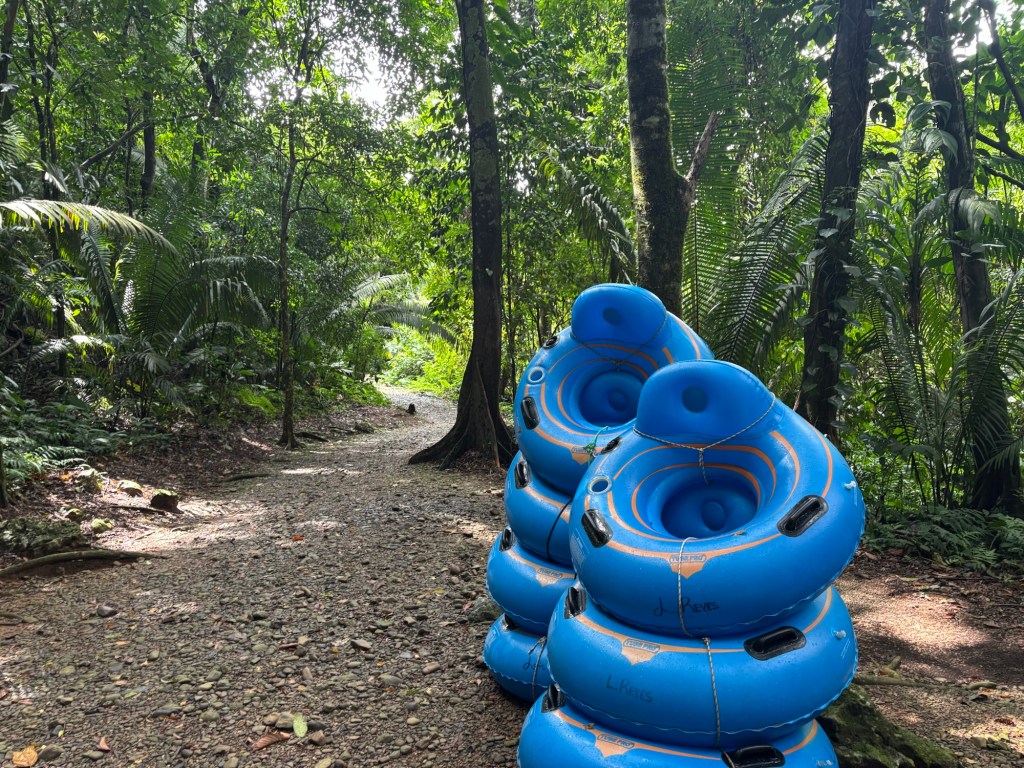
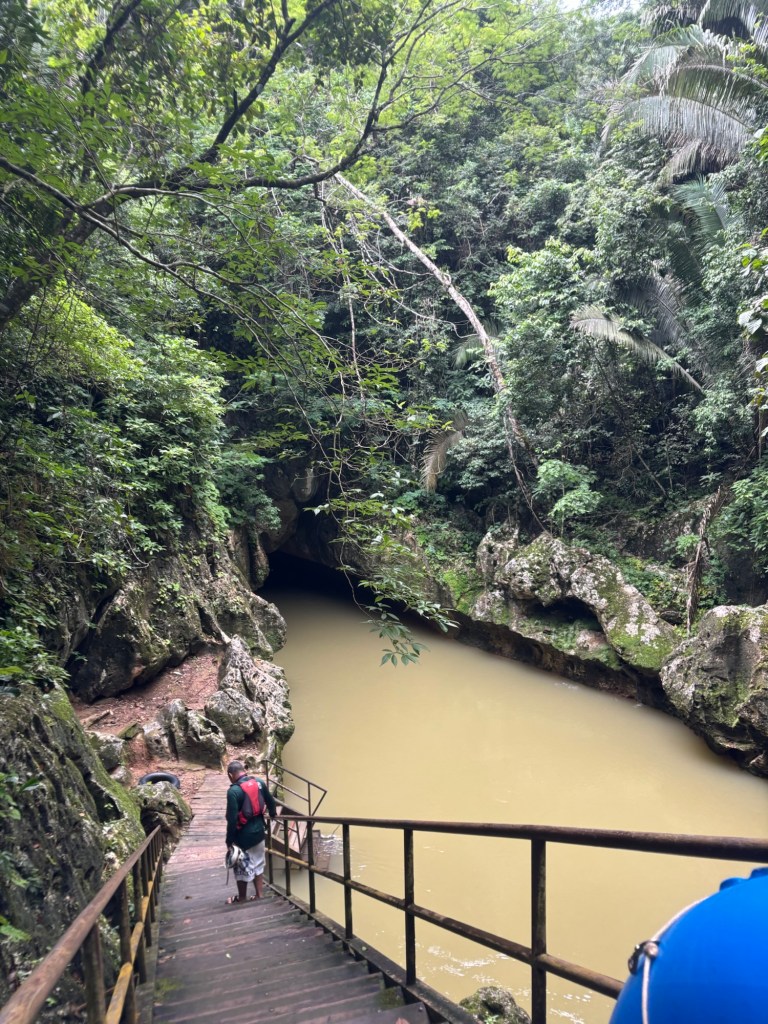
We only had to carry our tubes for the last 10 minutes of the hike.
Eric strapped our tubes together and then to his, explaining that free-floating had led to more safety incidents in the past. As a former whitewater rafting guide, I felt a little guilty because Eric was doing all the work, but not that guilty. It was nice to relax for once and trust someone else to navigate.
Inside the cave, Eric had us turn off our headlamps for a moment. It was pitch black and wild. It reminded me of a trip to Peru, where we learned about Pachamama, Mother Earth, and the dark spiritual passageway through rock that symbolizes being born from the womb.
When we turned our headlamps back on, Eric pointed out branches lodged in the cave ceiling, 20 feet above our heads — left there by floodwaters. Imagine being stuck in a tube then!
We emerged into the sunlight after about 10–15 minutes in the dark. The entire float lasted perhaps 45 minutes or less.
Ziplining
Afterward, we decided to add ziplining for $45 each. Here’s something I haven’t confessed yet on this blog (we don’t post pictures of ourselves for privacy): I’m fat. It’s something I accept about myself sometimes, and other times I hate it, but mostly I feel protective, because my fatness is something others use as an excuse to devalue or underestimate me. Sometimes I believe the story I’ve been told my entire life by our entire culture: that there are things I shouldn’t or can’t do because of my size. So I’ve never been ziplining. I haven’t even tried.
I assumed my husband would be the only one who could go. When Eric overheard us discussing it and offered to arrange it, I told him it would just be for my husband. But Eric didn’t ask why I was reluctant. He simply assured me they could accommodate me. All I needed was a bigger harness.
So of course I went! My fear of heights works in strange, inconsistent ways. I’m afraid to climb up a cliff face, but not to go down one in a harness. I’d been rappelling years ago and figured ziplining would feel similar.
Ziplining was much more fun than rappelling! The crew got us into our harnesses and gloves (they added an extra harness for me for safety), and we joined three young Canadian men and our two guides. Both were great, but I especially liked Amy, a total badass and very kind. They showed us how to brake with our gloves, and off we went.
We went down six lines through the treetops and twice over the river, with short, steep hikes in between. I worried about getting a wedgie in the harness and flashing folks in my swim skirt, but Amy assured me I was all covered.
Sometimes people come into your life just briefly and make a difference. People like Amy and Eric are my heroes because they don’t make a big deal about what makes you different. They tell you it’s possible to do the things you think you can’t, and they don’t treat you like a burden. I hope the next time I encounter someone who is struggling or fearful because they are in some way different than average, that I encourage them to go for it. And if I’m in a position to do so, I want to be the person who makes sure there is a harness to fit all sizes.
We had a picnic with Eric before driving back through intermittent downpours. We stopped at a grocery store in San Ignacio. (Third packing tip: bring tampons, even if you’re not expecting your period. They weren’t easy to find, though most stores had pads.) We jokingly wore our raincoats into the store on a dry afternoon; ten minutes later, we were glad we did!
Back at Crystal Paradise, we napped before dinner. Some visitors combine cave tubing with a Maya archaeological tour, but we were glad to have some downtime. Other full-day tours we considered were Caracol and the Actun Tunichil Muknal (ATM) cave. Both were more expensive, and we thought the ATM, which involves hours of exploring a cave, including wading through water, might be too strenuous for our short visit.
Our cave tubing trip totaled $300 for two, including $90 for ziplining and $20 in park entrance fees, but not the well-deserved tips for our guides.
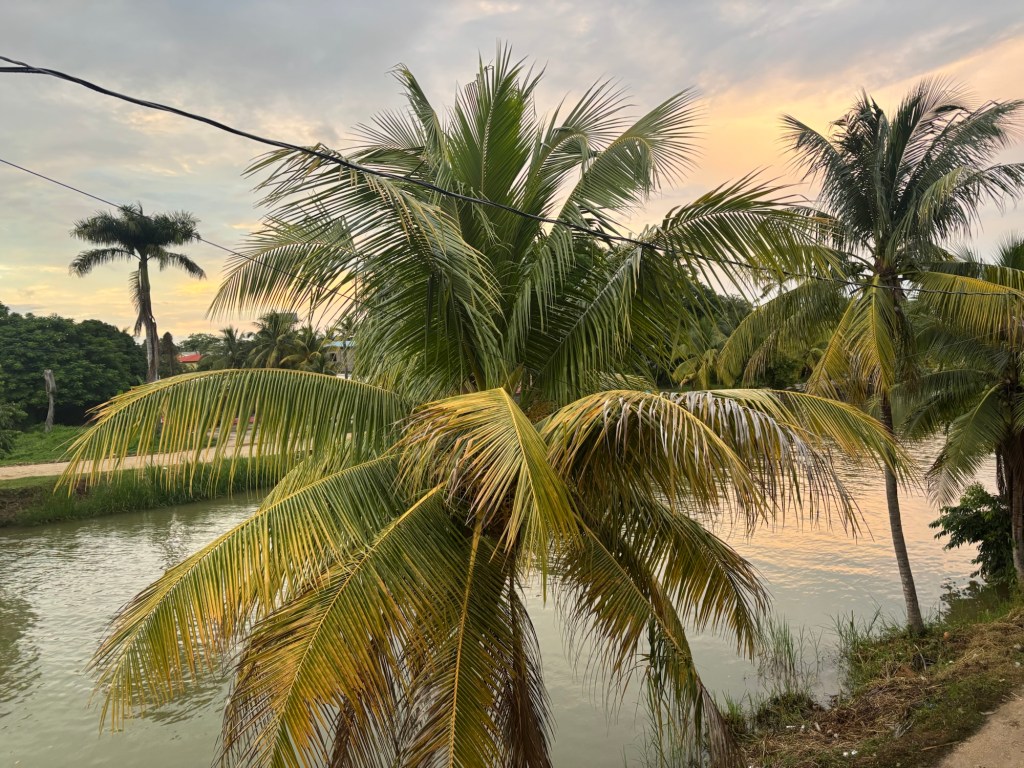
The Coast: Dangriga and Tobacco Caye
Our transfer to Dangriga was also about $200, and the drive took two hours. (Are you sensing the pattern?) We drove through Belmopan and along the scenic Hummingbird Highway through the hills.
We appreciated not having to drive ourselves and enjoyed hearing our driver’s stories about his grandchildren and the sights along the way. If you’re weighing the cost of renting a car versus hiring a driver, the companionship and lack of stress are definite advantages.
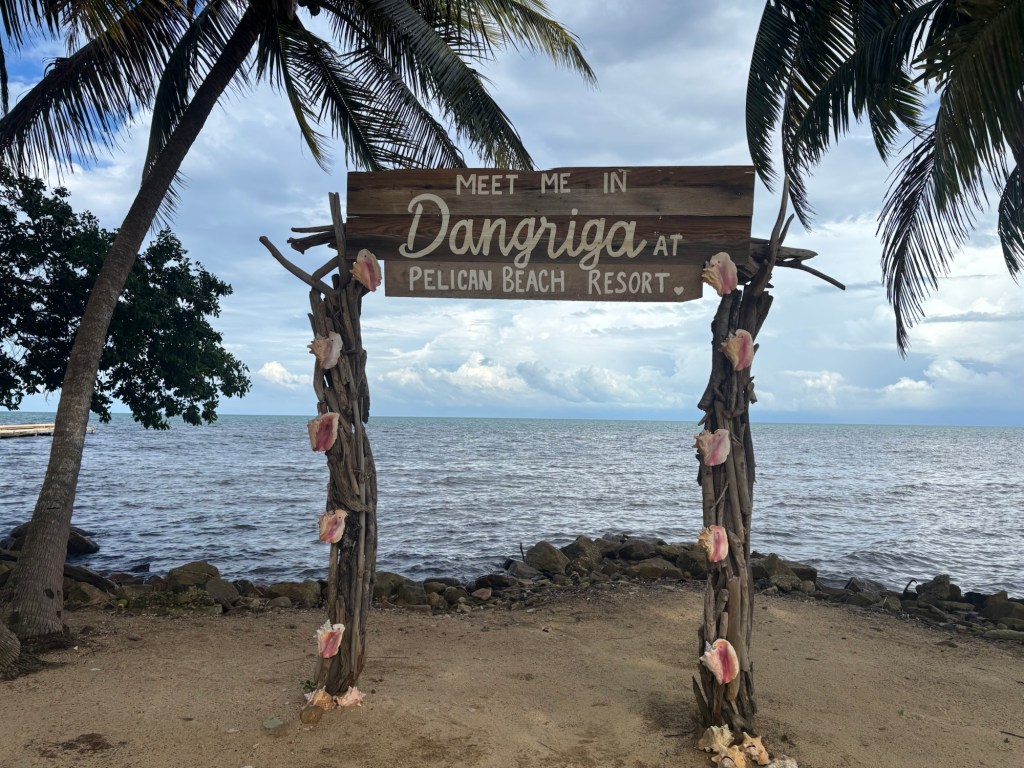
Dangriga
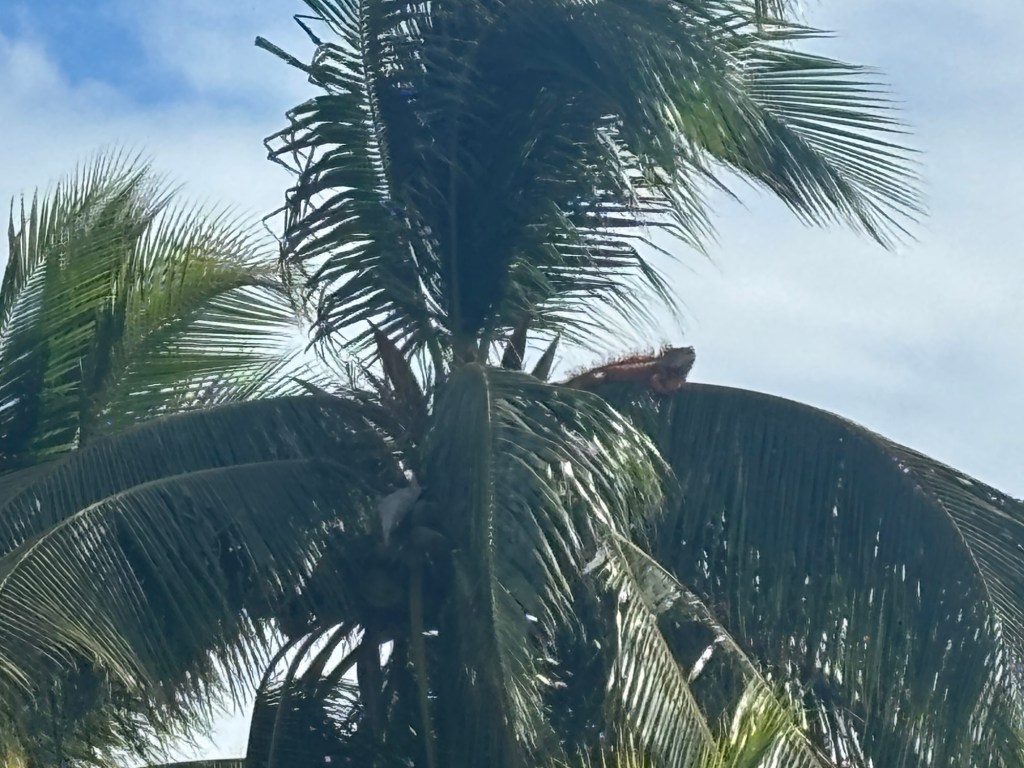
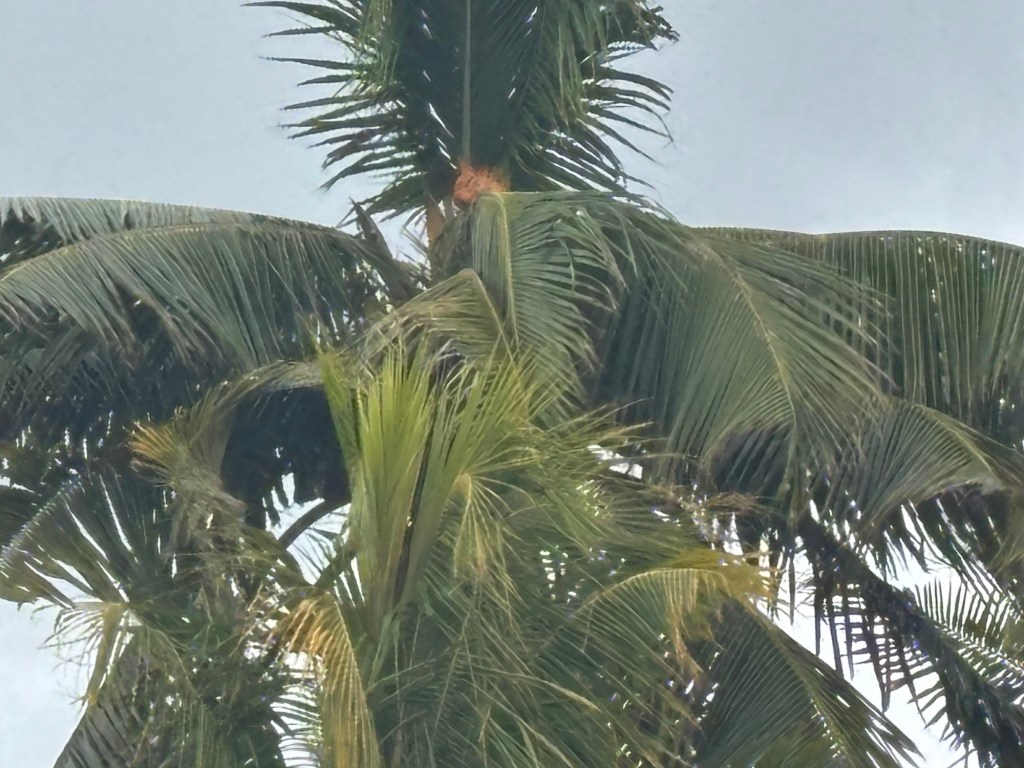
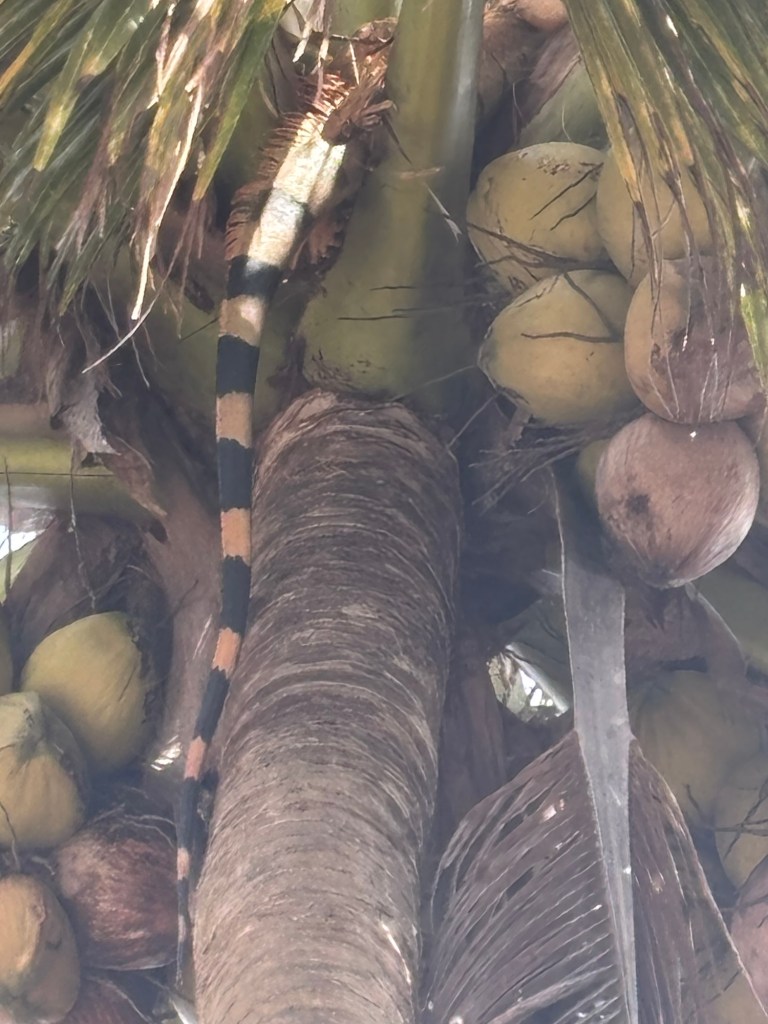
We arrived at Pelican Beach Resort before our room was ready. While my husband looked up snorkeling tours, I explored the beach and spotted two enormous iguanas, still as statues. One was green, the other huge, yellow, black and spiky. I wasn’t sure they were real until I stepped closer and one vanished! I found him up a palm tree, camouflaged among the coconuts, the spikes on his back mimicking the palm leaves.
After that, I kept trying to stalk the iguanas (garrobos, the staff told me), but they stayed high in the palms. Can you spot them in the pictures below?
When I got finished stalking lizards, our room was ready. It was spacious, facing the ocean and decorated with pictures by local photographer Tony Rath, whose work is also in a gallery off the lobby. We decided to walk into town.
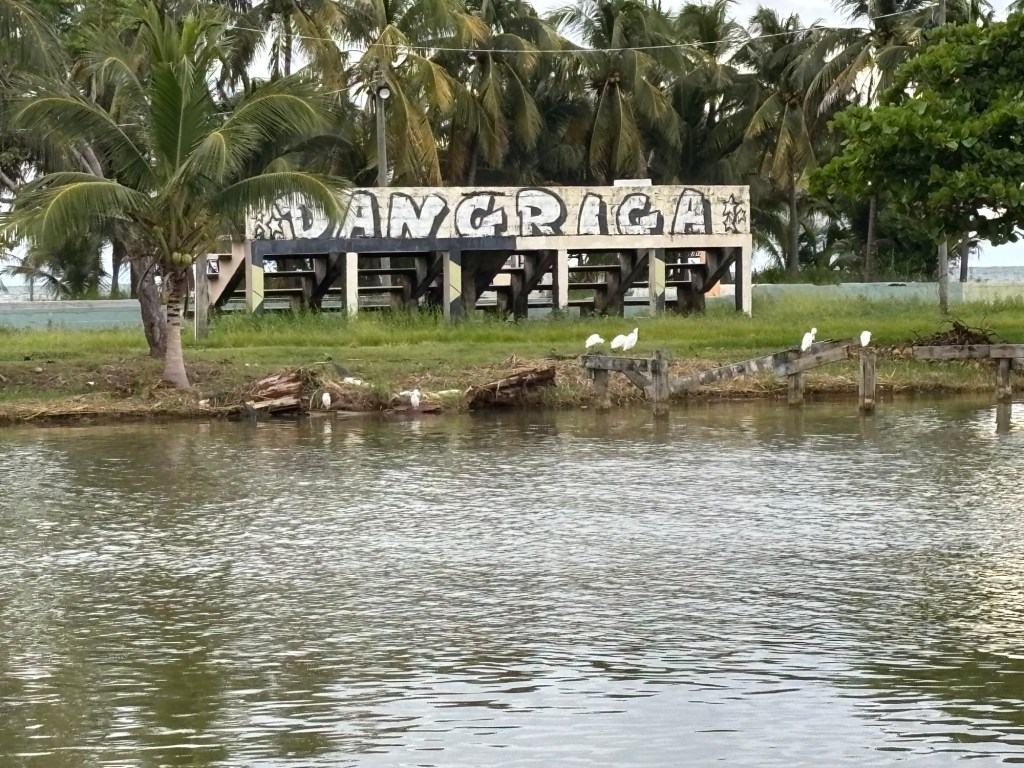
Dangriga, a cultural center of the Afro-Caribbean Garifuna people, doesn’t feel like a tourist town, which is why we chose it. We were surprised, though, at the number of potholes compared with the nicely paved highways we’d traveled so far.
Potholes aside, we enjoyed walking around town at rush hour, accompanied by people walking home from work and teens in school uniforms.
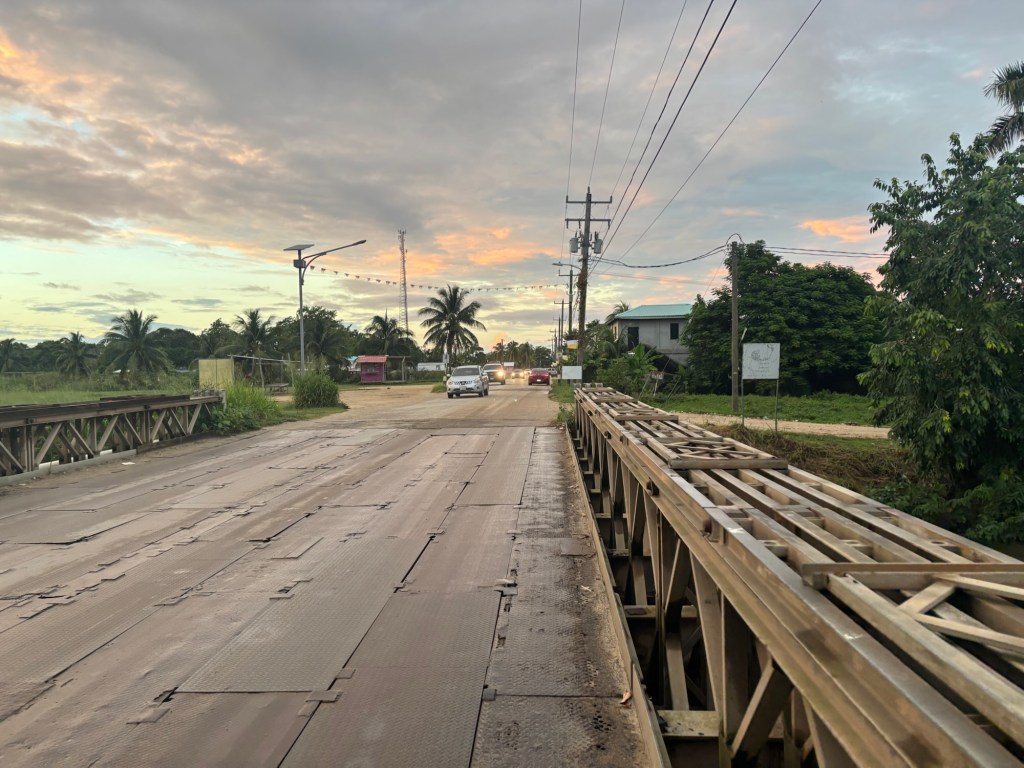
Our driver recommended Chill-n-Ice, a coffee, smoothie and ice cream shop with an upstairs outdoor bar near the bridge pictured above. There’s also a bank with an ATM next door. We had an Oreo frappe and peach smoothie, followed by an early dinner overlooking the traffic. Good beverages, average bar food, great local-hangout vibes.
Our driver advised us to avoid walking around late after dark. We didn’t experience any problems, but generally headed back to the resort around sundown and had drinks at the hotel bar if we wanted a later evening.
Snorkeling
Tobacco Caye is a tiny island about 10 miles offshore, with a small resort and a permanent community. We chose Tobacco Caye Adventures, run by a multigenerational fishing family from the island, for snorkeling. They were absolutely the best.
No other visitors were booked that day, so we opted for a private half-day tour for $400 for two, still competitive with other companies we considered. Despite concerns about the weather, the morning was bright and sunny.
We met our boat at a tiny dock where North Stann Creek flows into the ocean. Our guide, Noble, arrived with his wife and toddler, and we chatted while waiting for his cousin, Captain Nolan. Other townspeople stopped to ask where we were from and what brought us to Dangriga. I was delighted that Noble’s family was coming along. By the time we left the dock, I felt less like a tourist than a visitor joining the family for the day.
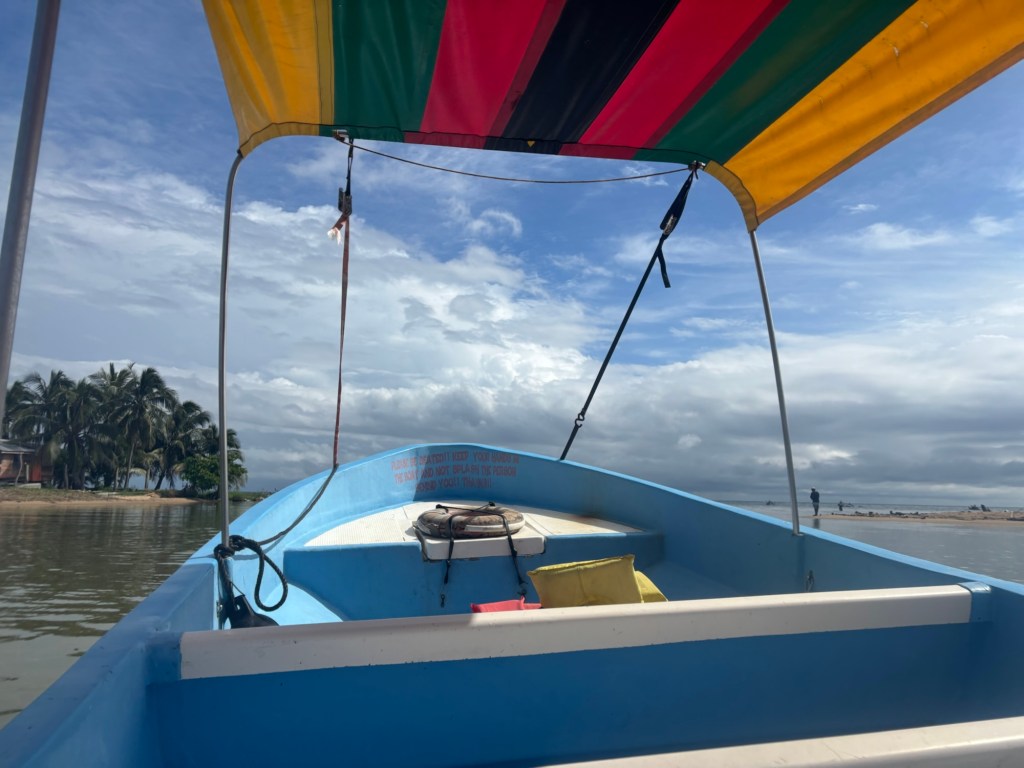
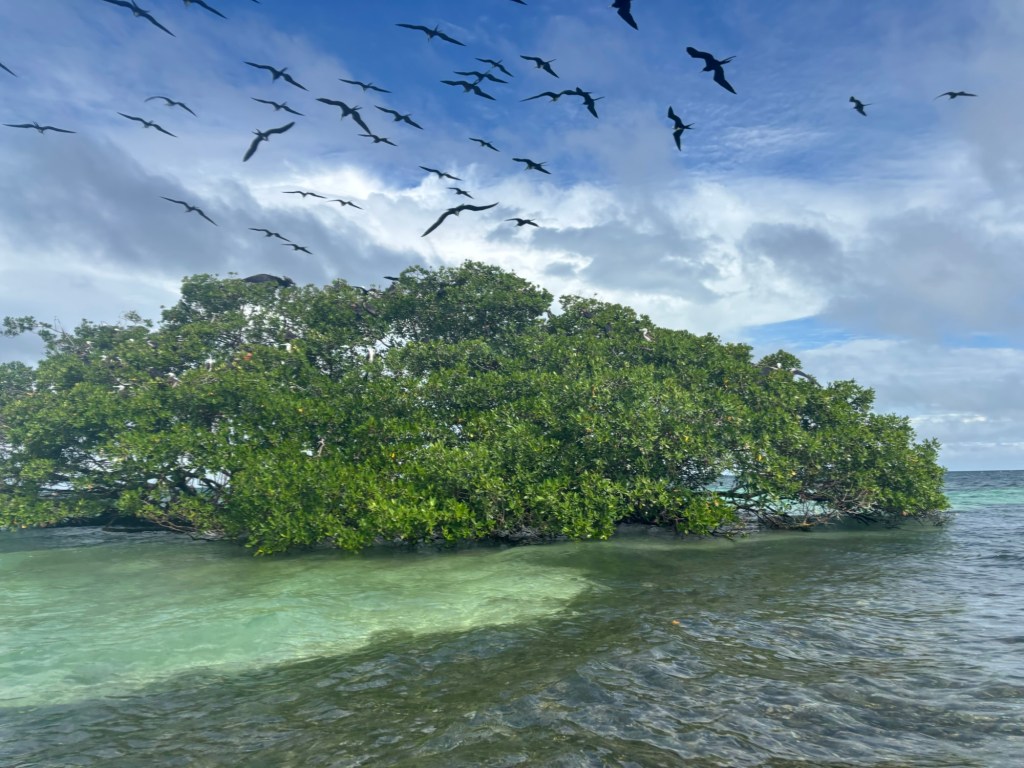
Our first stop was Bird Island, which looked like just a couple of trees in the water, but was full of magnificent frigatebirds. We soon saw why they have that name: the males inflate a big red pouch at their throats during mating season! Noble told us the island would eventually wash away and the birds would have to find a new home.
Next we looked for manatees. Noble would spot one, and I’d catch a glimpse of a shadow or a tail out of the corner of my eye before it vanished. My husband got a better look. We let them be and headed for Tobacco Caye, passing the island home of famous hot sauce maker Marie Sharp.
We’ve snorkeled in several places around the Caribbean, Florida and Hawaii, and recognized some familiar fish, like blue tangs (Dory!). What made this trip special was the family feel. Noble’s wife held their daughter in her arms in the water — a true water baby — and Noble dove deep to point out a puffer fish and elkhorn coral. No crowds, no rush, no other tourists to bump into as we swam. Just us and our guides.
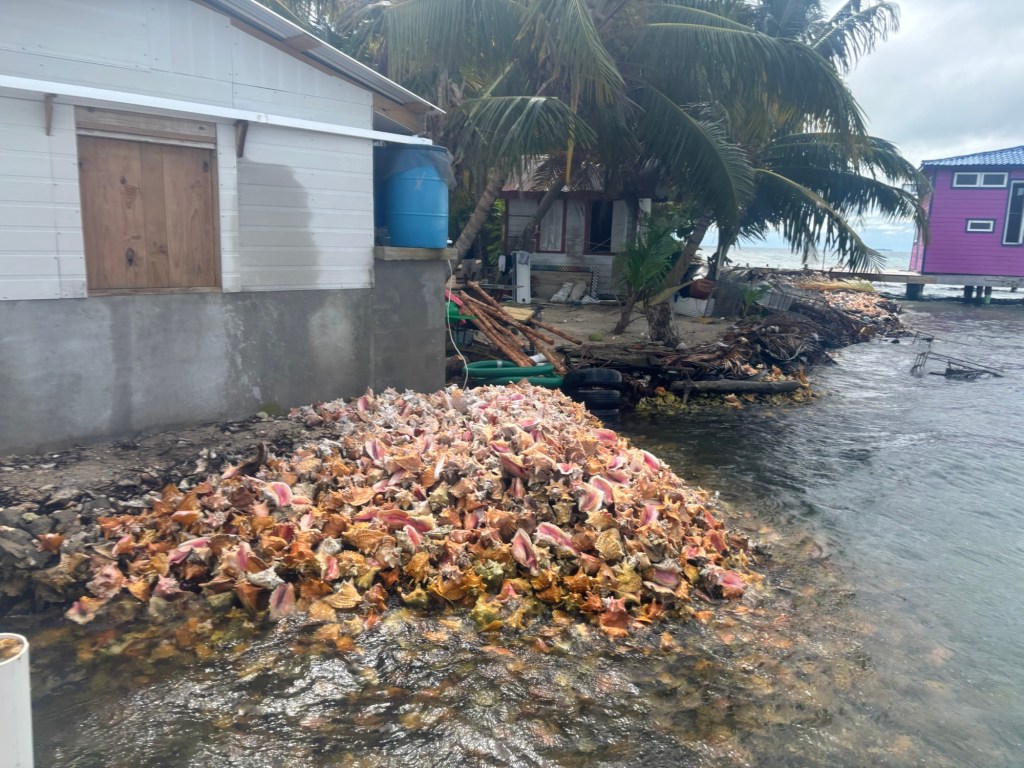
Captain Nolan spotted storm clouds in the distance, so we lingered on Tobacco Caye, changing clothes and having a Coke at the little resort bar.
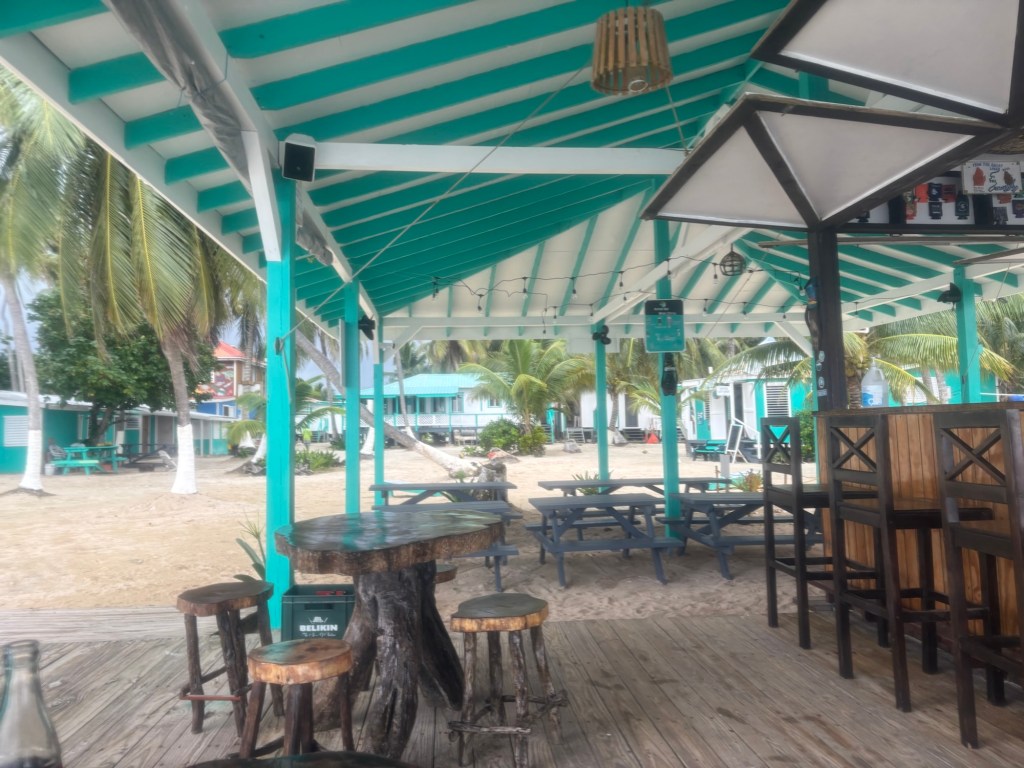
When it started to rain, we sheltered on the second-story porch of a brightly painted home. Noble told us it was the house he grew up in. Since his childhood, he said, the island had shrunk due to sea level rise; his daughter would never see it as he had known it.
We could have waited out the rain and snorkeled again, but decided to head back as soon as the captain deemed it safe. I was impressed by the skill it took to navigate the wind and tide, and very glad our captain knew what he was doing. Near the coast, we could see a line in the water and sky where the rain ended and the sunshine began. Back at the dock, you’d never have known it had rained.
That night we ate at Island Breeze Bar & Grill near the dock, another recommendation from our driver. Great cocktails at reasonable prices, generous portions, and perfectly seasoned shrimp kebabs.
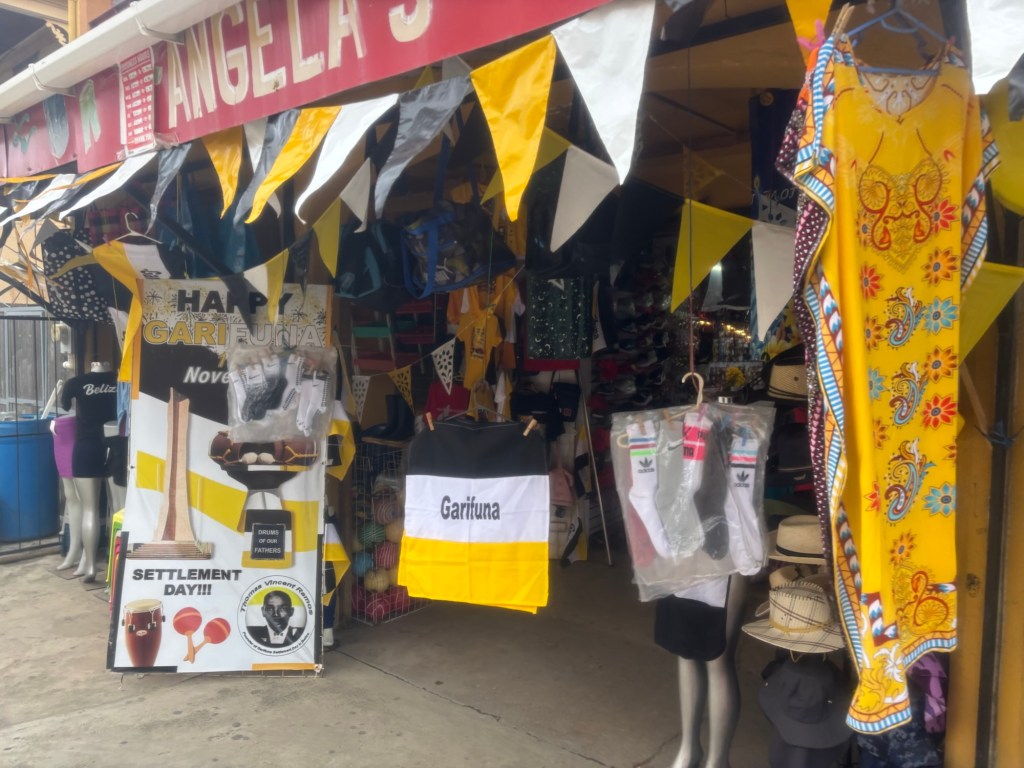
Every shop seemed to be getting ready for November 19, Garifuna Settlement Day, which commemorates the arrival of the Garifuna people in Belize. If we’d had more flexibility, we’d have traveled a little later to catch the festivities, which begin several days before the 19th. We just missed them!
Maya Centre and Hopkins
After two days of hoofing it around town, we rented a car for our last full day. Michael, the rental company’s proprietor, accommodated us for one day ($90 US), although he usually required a two-day minimum. He delivered the all-wheel-drive SUV to our hotel and agreed to pick it up at the Dangriga airstrip the next day, saving us a taxi ride. We soon discovered why the all-wheel drive was handy.
With the weather still alternating between rain and sunshine, we skipped the beach and headed to Maya Centre, about 30 minutes from Dangriga via the Hummingbird and Southern highways.
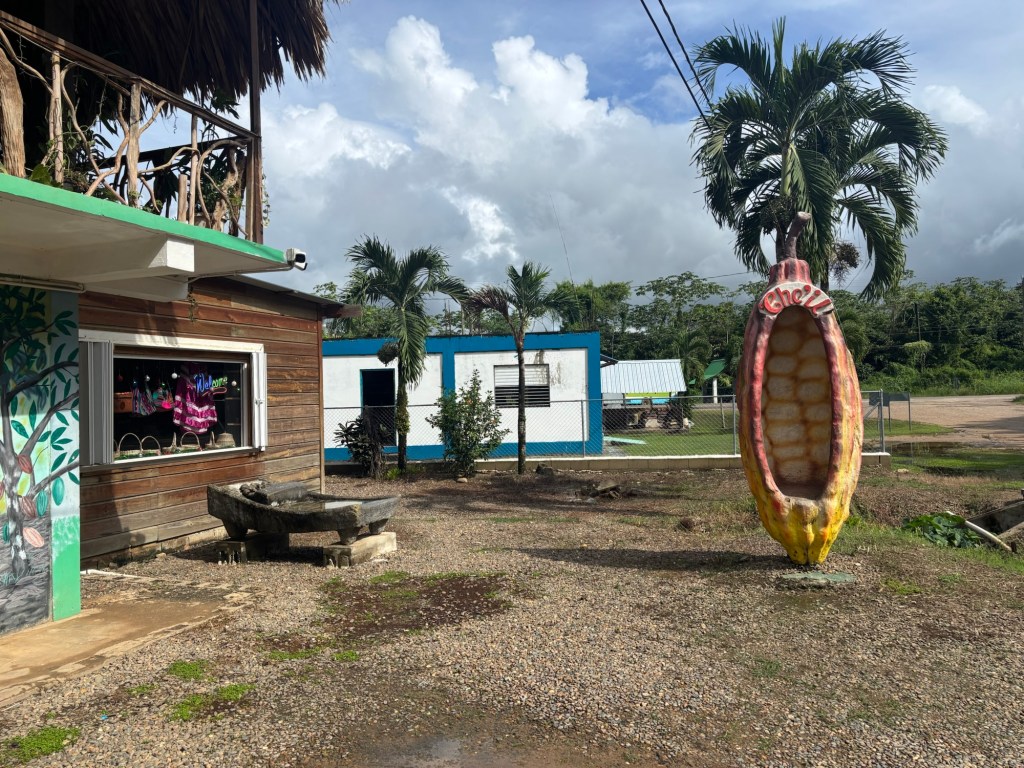
Maya Centre has three attractions conveniently located together: Che’il Mayan Chocolate, Ya’axkin Butterfly Farm and the access road to Cockscomb Basin Wildlife Sanctuary. The sanctuary itself is another six kilometers down a rough, pothole-filled dirt road. Allow at least 20 minutes and plan to go at a snail’s pace.
Chocolate and butterflies
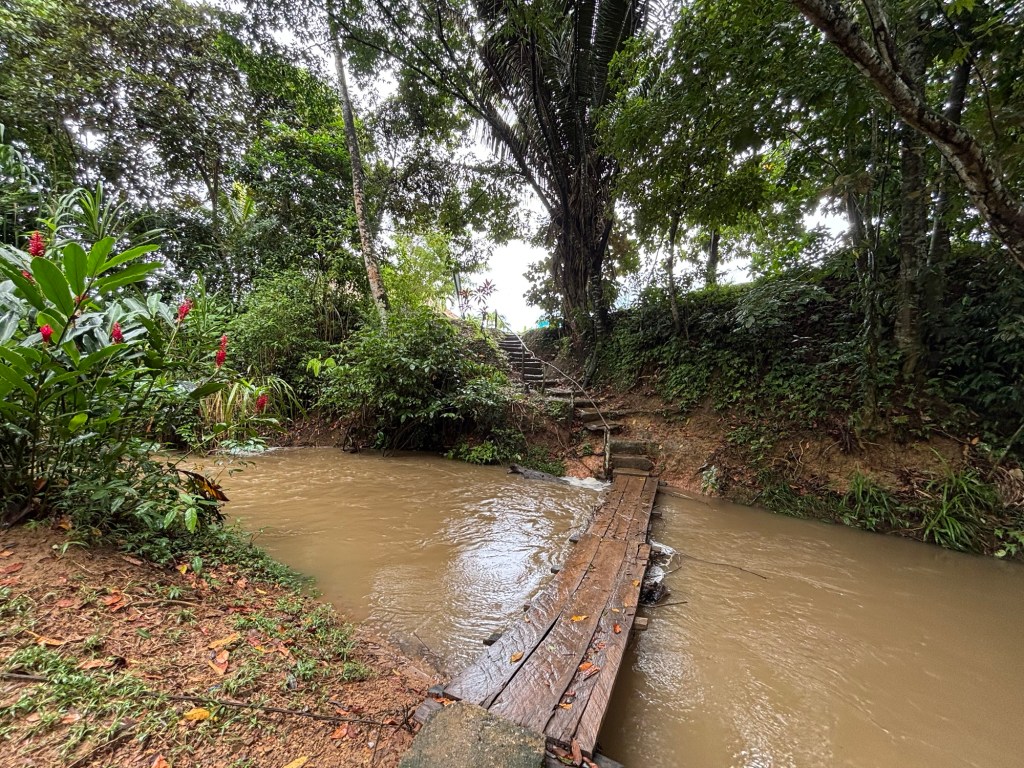
We booked an early afternoon chocolate tour and walked to the butterfly farm while we waited. There’s a footpath from the chocolate shop, with boards to help you cross a small creek. You could also visit the sanctuary first and make chocolate on your way out.
The butterfly farm is surrounded by tropical flowers and interesting plants, with the butterflies in a small enclosure. It wasn’t raining, but the air was so humid it might as well have been.
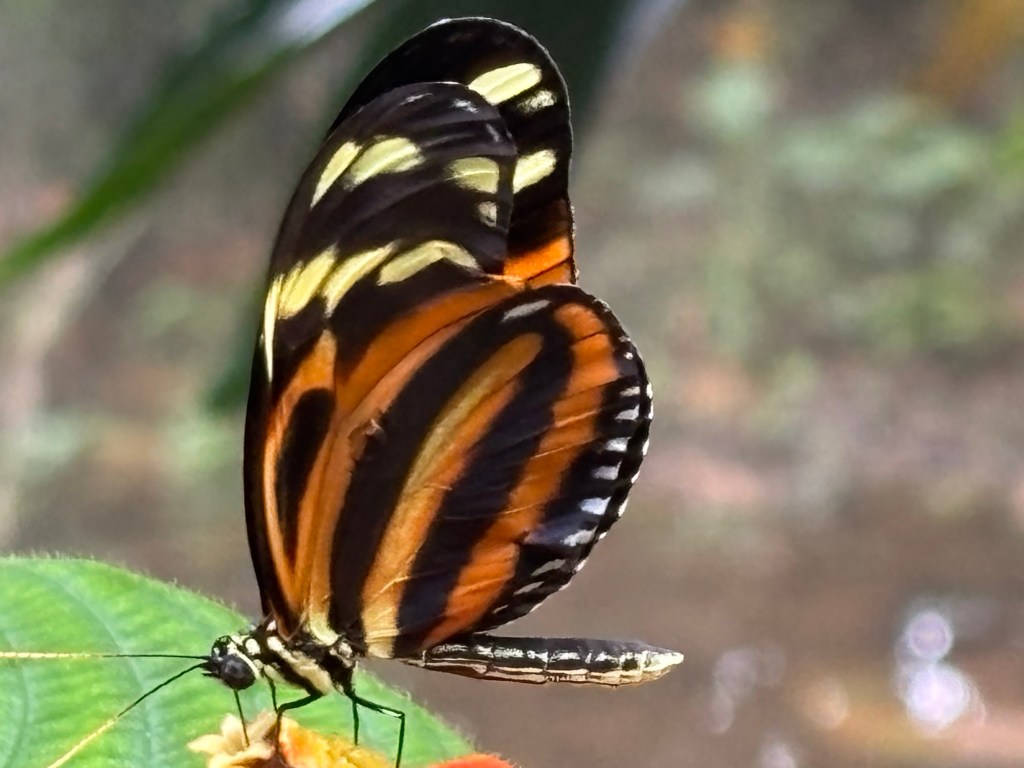
Our host showed us the chrysalises and told us about the different species. Admission was about $20 Belizean ($10 US) each for a fairly short visit. A little pricey, but worth it if time allows.
For the chocolate tour, we followed the farmer across the road to a clearing with a thatched pavilion, surrounded by cacao trees that looked more like a natural forest than a plantation. We were the only two people on the tour.
After another coating of bug spray, the farmer showed us red and green cacao pods. They grow directly from the limbs and trunks, starting as tiny flowers and reaching the size of a small squash. The ripe pods are harvested by hand.
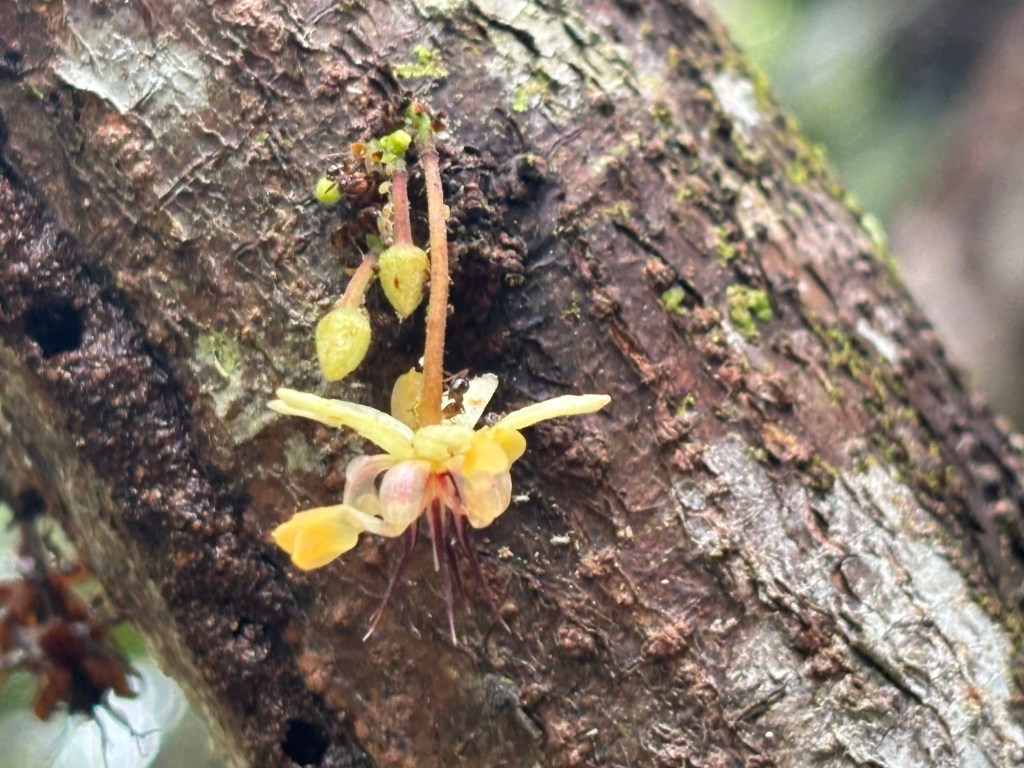
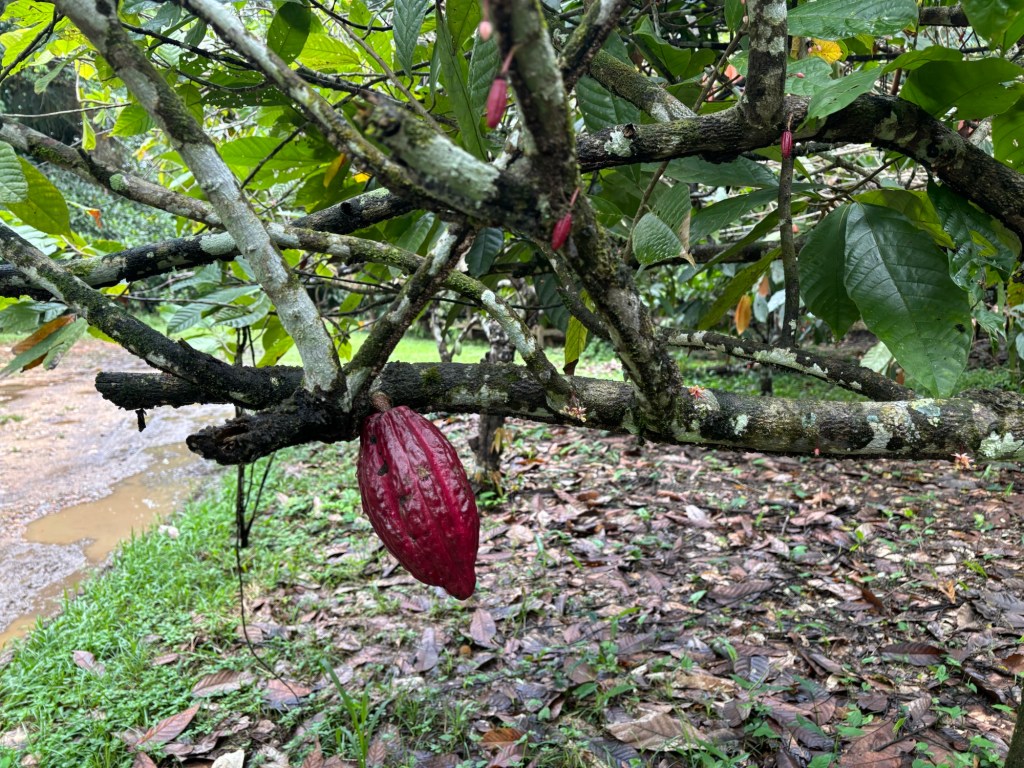
He showed us the fleshy inside of a pod and explained how cacao is harvested. Then we headed back to the shop for our chocolate-making class.
Our instructor quizzed us on what we’d learned on the farm (chocolate comes from a fruit!) and explained the history of chocolate in Maya culture. He told us it was a prized drink, particularly among the elite.
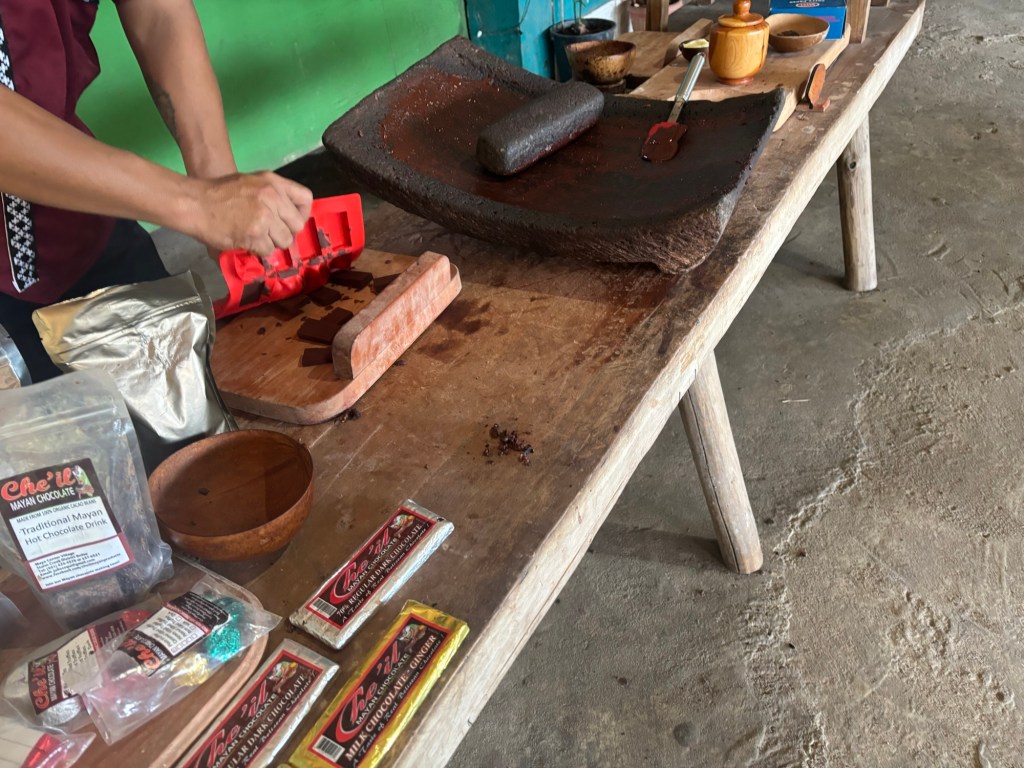
We both took turns grinding and refining the cacao by hand. Afterward, he flash-froze our chocolate and we tasted it. Ours was okay, but he let us sample a batch he’d taken more time to refine, and it was the best chocolate I’ve ever had.
Cockscomb Basin Wildlife Sanctuary
We decided to buy chocolate on the way out so it wouldn’t melt during our hike. The drive to the sanctuary was an adventure in itself, dodging potholes while I pleaded with my husband to slow down (until he got annoyed with me).
We arrived late in the afternoon, paid our fees and signed the required hikers’ register at the visitor center. The ranger suggested a series of trails by the river that we could hike before dark.
Another packing recommendation: clean trail shoes. The customs form asked about footwear recently worn on farms or in forests. I brought clean sneakers instead of my normal trail shoes, but made the mistake of using them as my nice shoes for dinner, too. I muddied them up beyond redemption in half an hour.
Is the jaguar reserve worth it? Probably, if you go earlier and allow enough time to explore. We saw zero jaguars — or any other animals or birds. The jungle was eerily silent, the canopy blocking out what little late-afternoon sun remained.
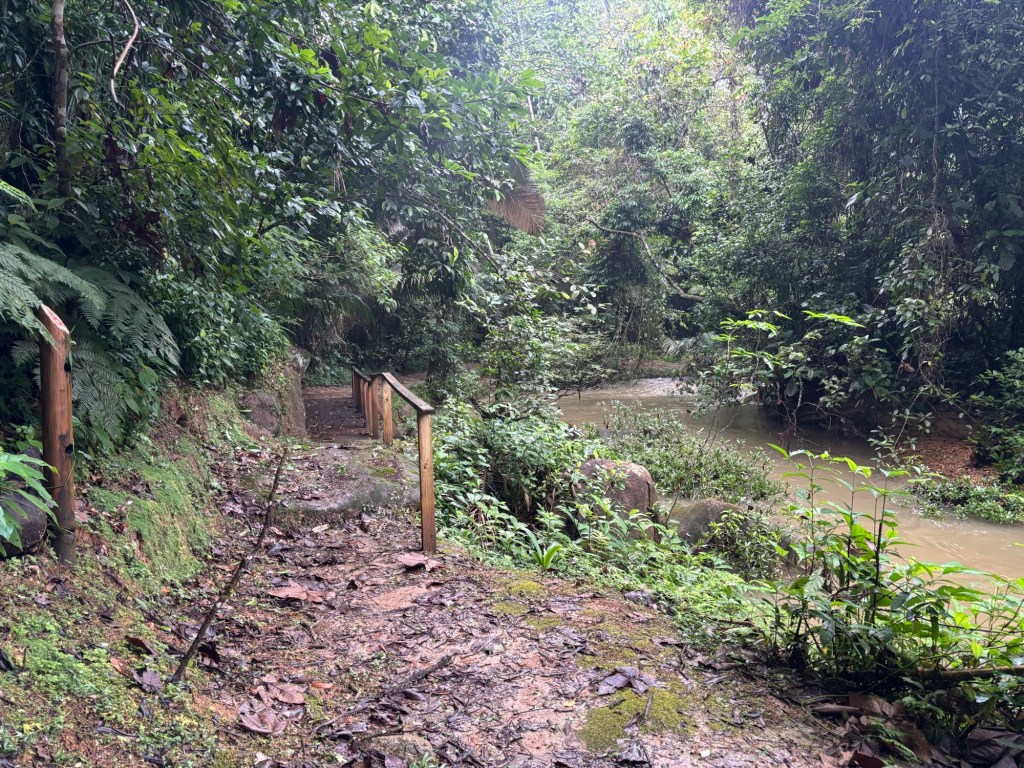
Dripping with bug lotion-scented sweat, we made quick work of our hike, signed out and got out of Dodge. We nearly had a marital spat on the drive out when a chicken walked in front of our car and I ineffectually yelled at my husband not to hit it. Is that why people make chicken-crossing-the-road jokes? Because it’s a hobby of theirs? At least we had time to buy chocolate.
Hopkins
With about an hour before dark, we drove 20 minutes to Hopkins. It’s smaller than Dangriga, but the part of town we visited had more nicely paved roads and some mansions under construction.
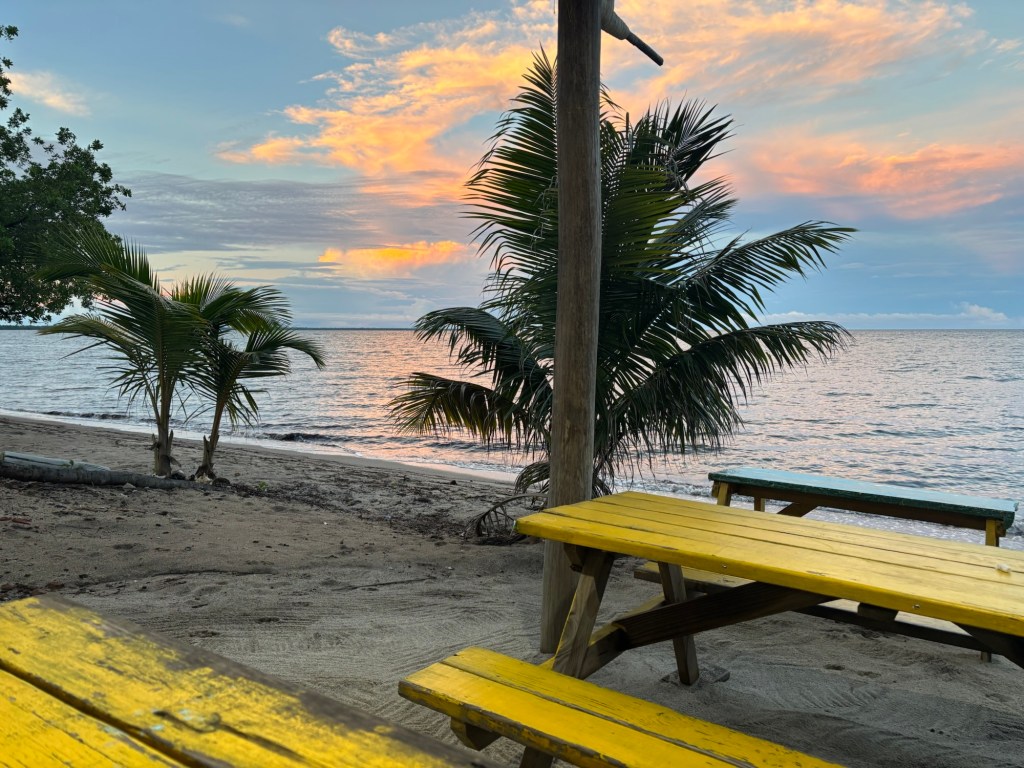
My friend had recommended Hamanasi Dive Resort, but its restaurant was fully booked when we called the day before. The resort looked lovely when we drove by.
We chose Semiti Giffiti for its Garifuna drummers, who were sitting outside just waiting for an audience when we arrived — lucky us! They played throughout most of our meal, which we especially appreciated since we’d missed the Settlement Day festivities.
My review: Semiti Giffiti looks like a brightly painted shack on the beach with picnic tables, but the food was special and the cocktails outstanding (though slow to arrive). My husband had delicious jerk lobster for much less than we’d expect to pay on the East Coast. I had hudut, a local fish stew with coconut milk and what the restaurant owner told me were cassava dumplings, which reminded me of chicken and dumplings. I wouldn’t necessarily crave it, but it was tasty and unlike anything else I’d ever had. My cocktail was so good I bought a bottle of the same rum at the airport to try to replicate it over the holidays. Best meal of the trip, although Island Breeze was a close second.
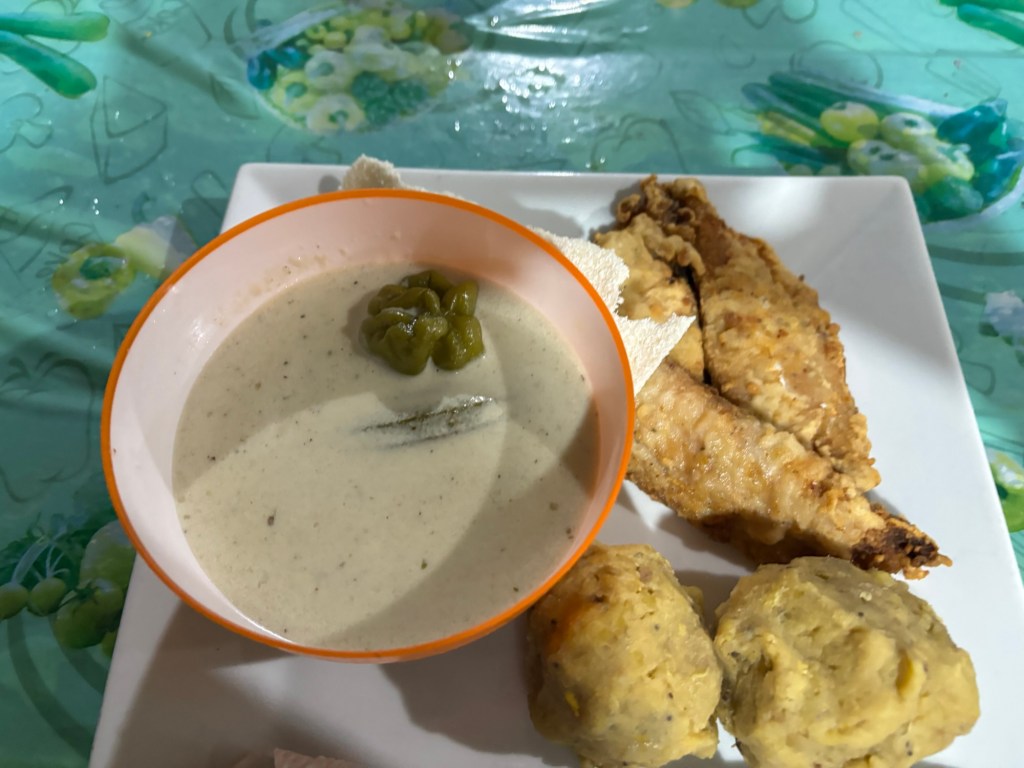
Afterward, we headed to Black Orchid Ice Cream near Hamanasi. Somewhere along the way, we encountered traffic going in unexpected directions on a one-way street. Opposite day? Anyway, we made it safely to the cute little ice cream shop, where I had the boozy cherry amaretto.
I volunteered to drive back, and Google sent us down a side street so I had my own chance to navigate giant, car-swallowing holes! Watch for speed bumps on the highways, too. One took me by surprise; I think it just decided to appear, like the chicken.
We paid $26 for less than a quarter tank of gas. Renting a car wasn’t cheap, but it was worth it for the freedom.
Leaving Belize
We used Pelican Beach’s laundry service twice, and I highly recommend washing as you go: bug lotion, sweat and muddy river water make for some hella smelly clothes. Even after washing our water shoes and leaving them to dry on the balcony (between rains), they smelled terrible. The hotel gave us plastic bags to pack them in for the trip home.
Michael met us at the Dangriga airstrip to collect the car. One thing I’ll remember most about Belize is the people we met: Michael, Eric, Amy, our drivers and the taxi driver who clearly knew everyone in town. Of our several trips to the Caribbean, this is the least I’ve felt like a tourist, although that’s exactly what we were.
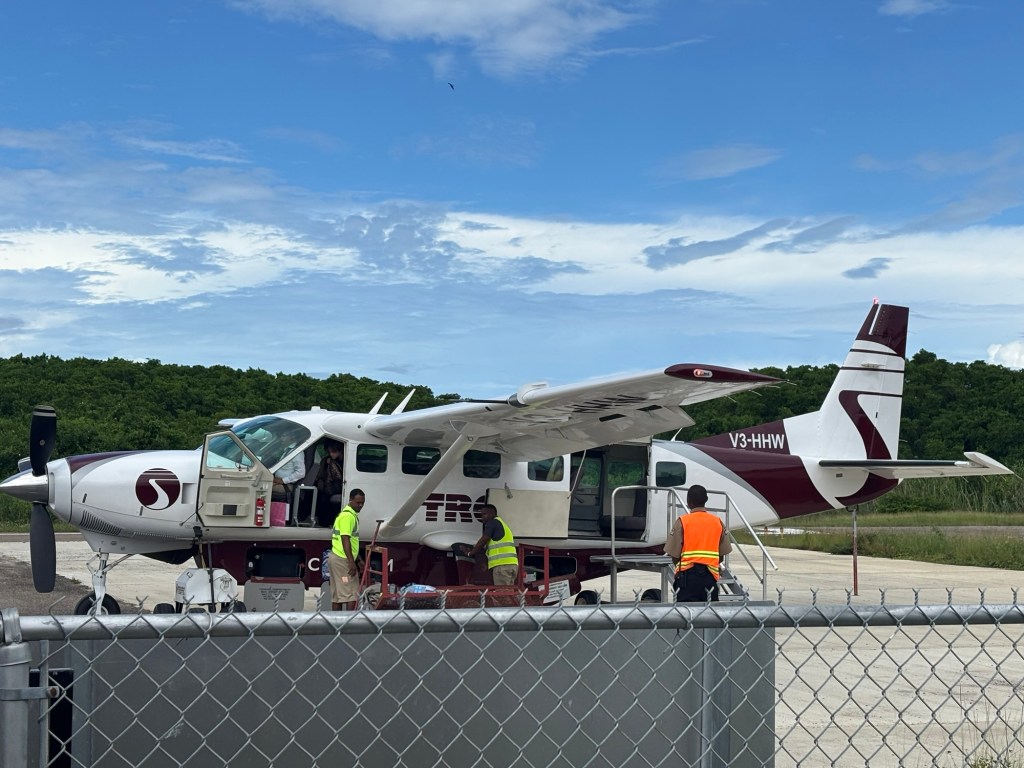
Pelican Beach arranged our flight to the international airport for $276 for two. It took less than an hour, with about 10 passengers, and reminded me of the bush flights on our honeymoon in Kenya and Tanzania.
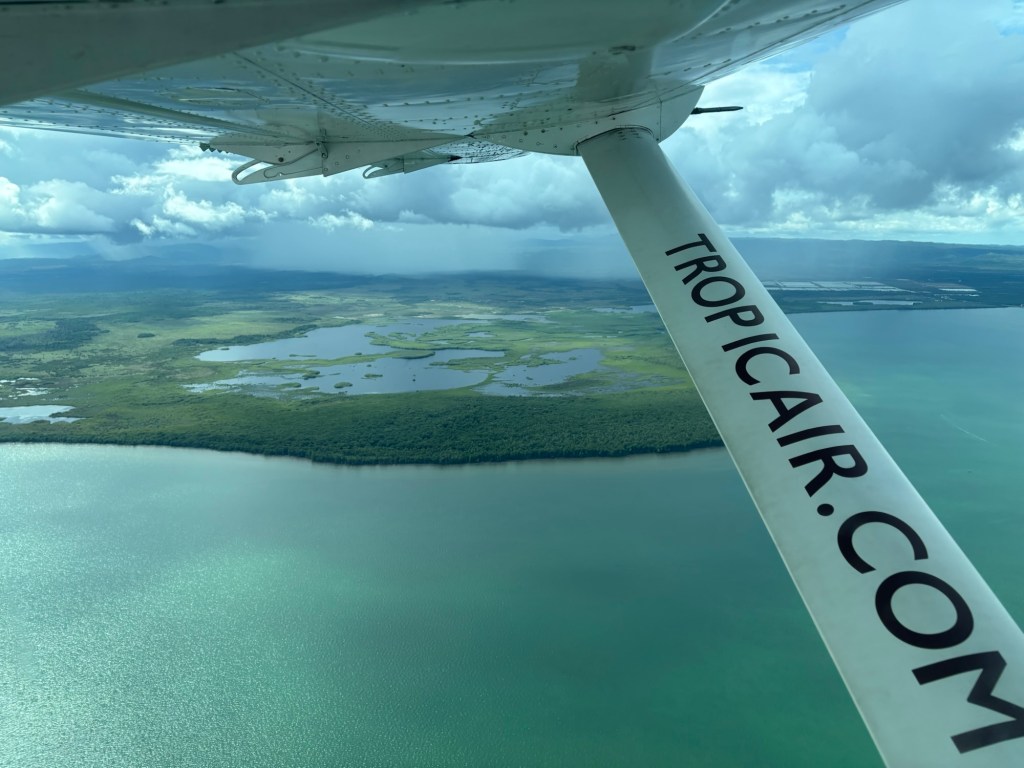
From the air, we could see how much of the coastline was jungle or wetland, with few signs of habitation.
A few tips for departing Belize: complete the departure form before security, and check whether you’ll need a paper boarding pass (our digital ones weren’t accepted). At the gate, I also had to squeeze my duty-free rum into my backpack because the airline counted it as another carry-on item.
Our flights home were pleasant, and we arrived in DC after midnight. The next day, we read headlines about flight disruptions in the US.
We’ve had our share of bad experiences flying, including spending a night on the floor at JFK on our first trip together. When it happens, you feel unlucky, like the universe is out to get you. When you avoid it and someone else has the bad luck, you feel blessed, and the universe is on your side again.
The older I get, the more I think it’s all a blessing, and none of it deserved — the bad luck, just like the good. The ability to travel, stay at resorts and pay for private tours is a privilege that relatively few people enjoy. But I wish we all could have it. Would I limit my own experience, fly less, have less, so that others could enjoy more? Take my turns with the bad luck, so others can have their turn with the good? I think I would. I hope I would.
What would we do differently if we’re ever lucky and privileged enough to go back to Belize?
- Get certified to scuba dive and spend more time on the second-longest barrier reef in the world!
- Visit Maya ruins and get tough enough to visit the ATM (the cave, not the money dispenser)
- Visit a Garifuna town for the Settlement Day festivities
- Spend more time in San Ignacio – it looked like a cool town
This will likely be my last blog of 2026; who knows where we’ll go in 2027? The privilege is expecting that we will go somewhere. And I hope I get the chance to tell you about it.


Leave a Reply